The 7 Injury Red Flags Coaches Can’t Ignore
(and what to do about them)
“The will to win is not nearly as important as the will to prepare to win.” - Coach John Wooden
How to Use This Playbook
This playbook is not meant to turn you into a medical professional.
It’s meant to help you make better decisions earlier — before small issues become missed games.
You don’t need to diagnose injuries. You need to recognize patterns.
As you move through this guide, think in terms of three simple actions:
Monitor – A one-time issue that improves quickly.
Modify – Reduce volume, adjust drills, emphasize recovery.
Get Help – Repeated red flags, worsening symptoms, or recurring patterns.
One red flag doesn’t require panic.
Multiple red flags — especially in the same athlete — deserve attention.
The goal isn’t to eliminate all injuries. The goal is to reduce preventable ones and protect long-term development.
Use this playbook:
During the season when problems show up
Before the season to identify potential risk
As a decision-making filter when athletes report pain
You coach basketball.
This guide helps you see what might be happening underneath the surface — so you can keep your best players on the floor.
Why Availability Wins
Talent matters. Skill development matters. Game strategy matters.
But it all goes out the window if your best players aren’t on the floor.
One key injury can change:
Rotations
Practice structure
Player roles
Team confidence
Late-season momentum
And it’s not always just one injury.
When multiple players are constantly managing something — knees, ankles, backs, shoulders, hamstrings — development slows. Practice intensity drops. Adjustments become reactive instead of strategic.
Availability isn’t just about who can play.
It’s about who can:
Practice consistently
Develop without interruption
Compete at full capacity late in the season
The teams that stay healthiest often aren’t the “luckiest.”
They’re the most prepared physically. And it’s a competitive advantage.
You don’t have to just hope that your best players are on the floor at the end of the season, you can prepare for that to happen and then plan on it.
The 7 Injury Red Flags Coaches Can’t Ignore
Injuries rarely come out of nowhere.
More often, they’re preceded by warning signs that show up in practices, games, and daily movement—if you know what to look for.
The goal of this section isn’t to turn you into a medical professional.
It’s to help you make better decisions earlier, when small adjustments can prevent big problems.
For each red flag below, you’ll see:
What this looks like on the court
Why it matters
How to think about your next coaching decision
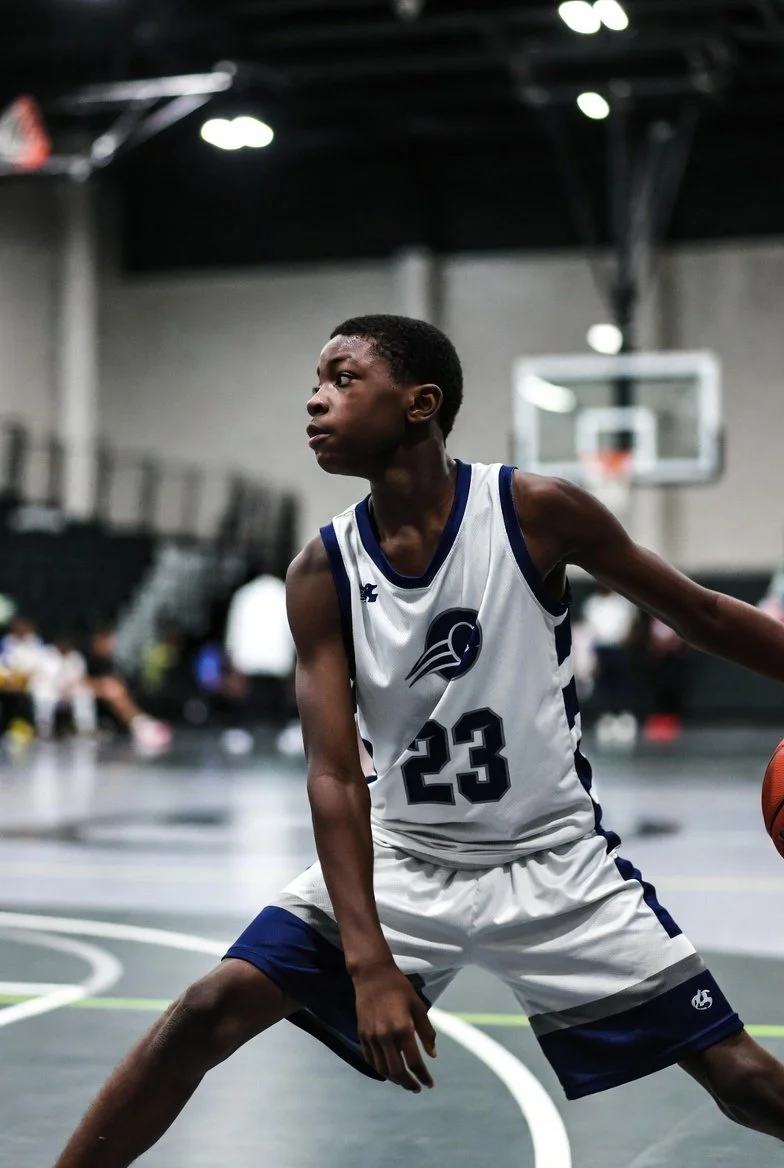
red flag #1
Pain That “Warms Up” but Never Fully Goes Away
What you’ll see
A player says:
“It loosens up once I get going”
“It’s fine during practice but hurts later”
“It’s been like this for a few weeks”
Why it matters
Pain that improves with movement but returns afterward often signals a tissue capacity issue, not a one-off tweak. The body can temporarily tolerate the workload—but not recover from it.
Coach decision guide
✅ Monitor if it’s new and clearly improving week to week
⚠️ Modify volume or intensity if it’s lingering
🚩 Get help if the same complaint shows up repeatedly
Common mistake
Assuming warming up means the issue is resolving.
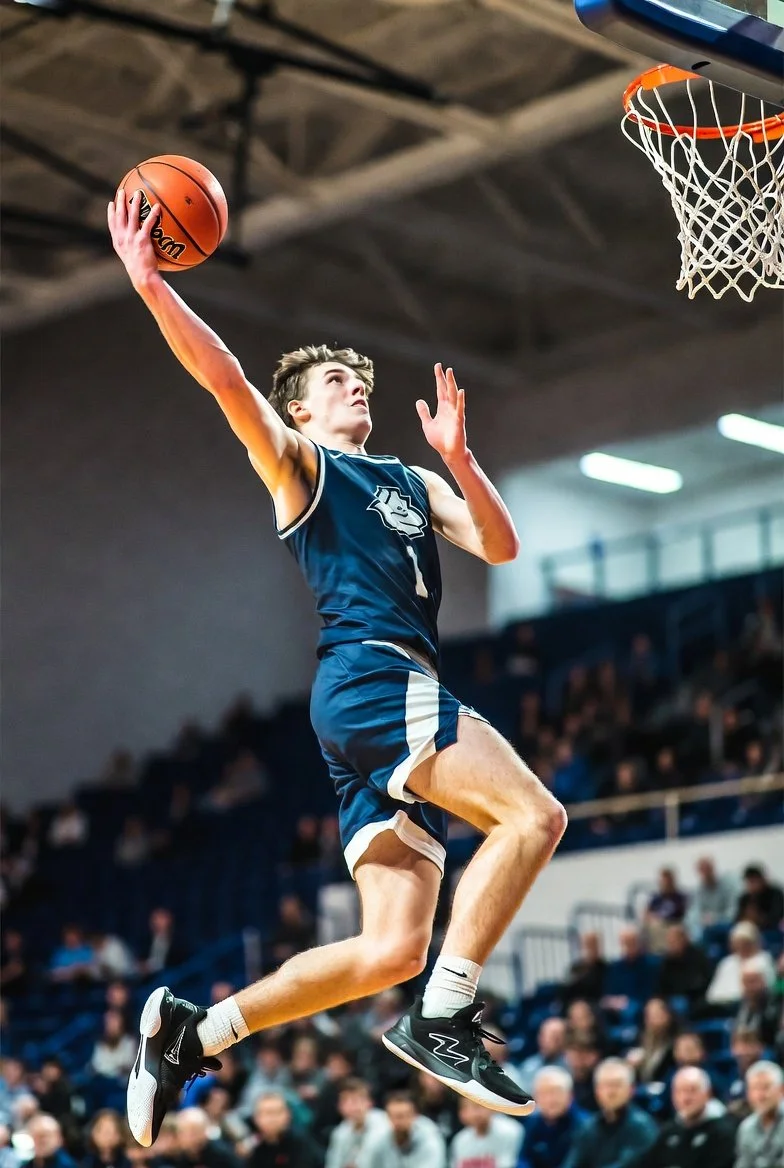
Red Flag #2
Favoring One Side or Avoiding Certain Movements
What you’ll see
Always pushing off the same leg
Hesitation when cutting one direction
Avoiding contact on one side of the body
Why it matters
Consistent asymmetries increase stress on specific joints and tissues—especially during cutting, deceleration, and landing.
Coach decision guide
✅ Monitor if it’s occasional and inconsistent
⚠️ Modify drills that overload the same pattern
🚩 Get help if it’s persistent or worsening
Common mistake
Calling it “preference” instead of protection.
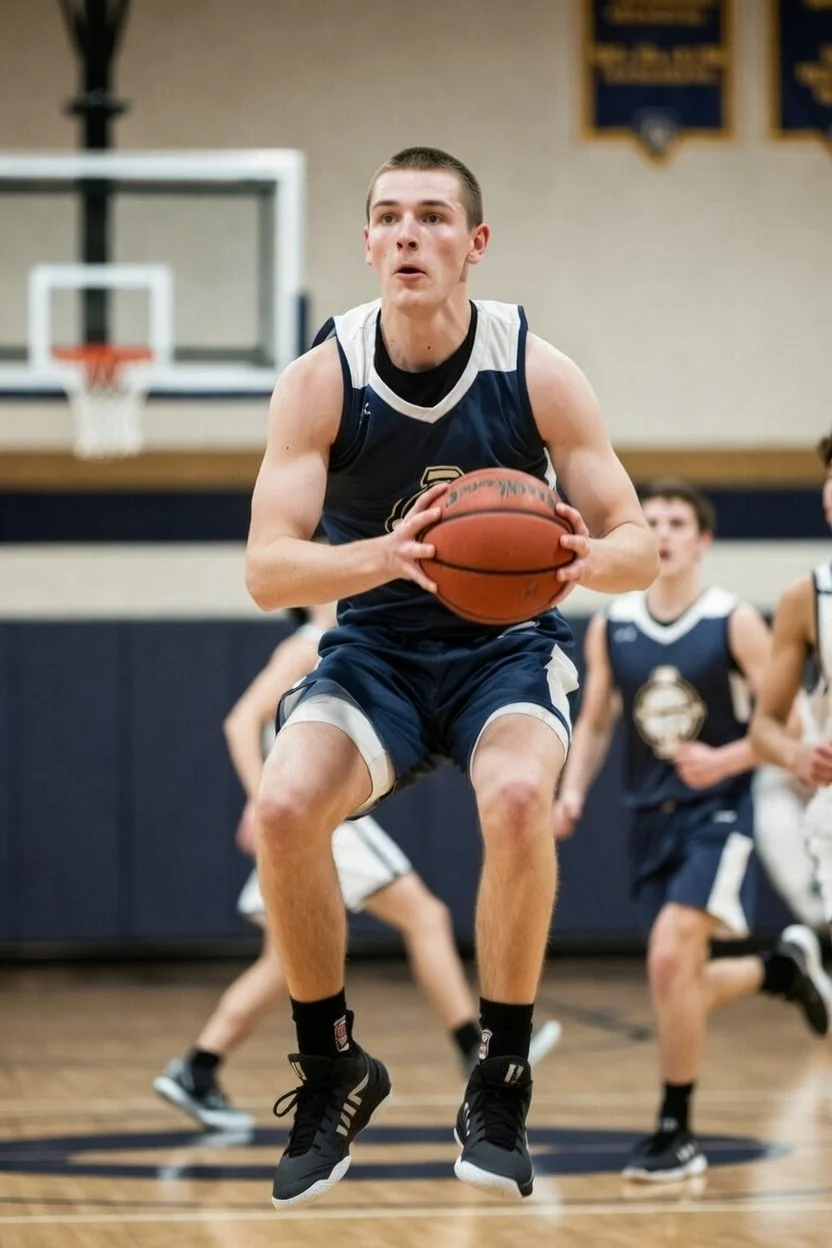
red flag #3
Stiff, Noisy, or Upright Landings
What you’ll see
Loud landings after rebounds
Minimal knee/hip bend
Upright posture when coming down
Why it matters
Poor force absorption increases stress on the knees, Achilles, hips, and low back—common basketball injury sites.
Coach decision guide
✅ Monitor if it’s occasional
⚠️ Modify jumping volume or fatigue levels
🚩 Get help if this is the athlete’s default pattern
Common mistake
Only worrying about landing mechanics after an injury.
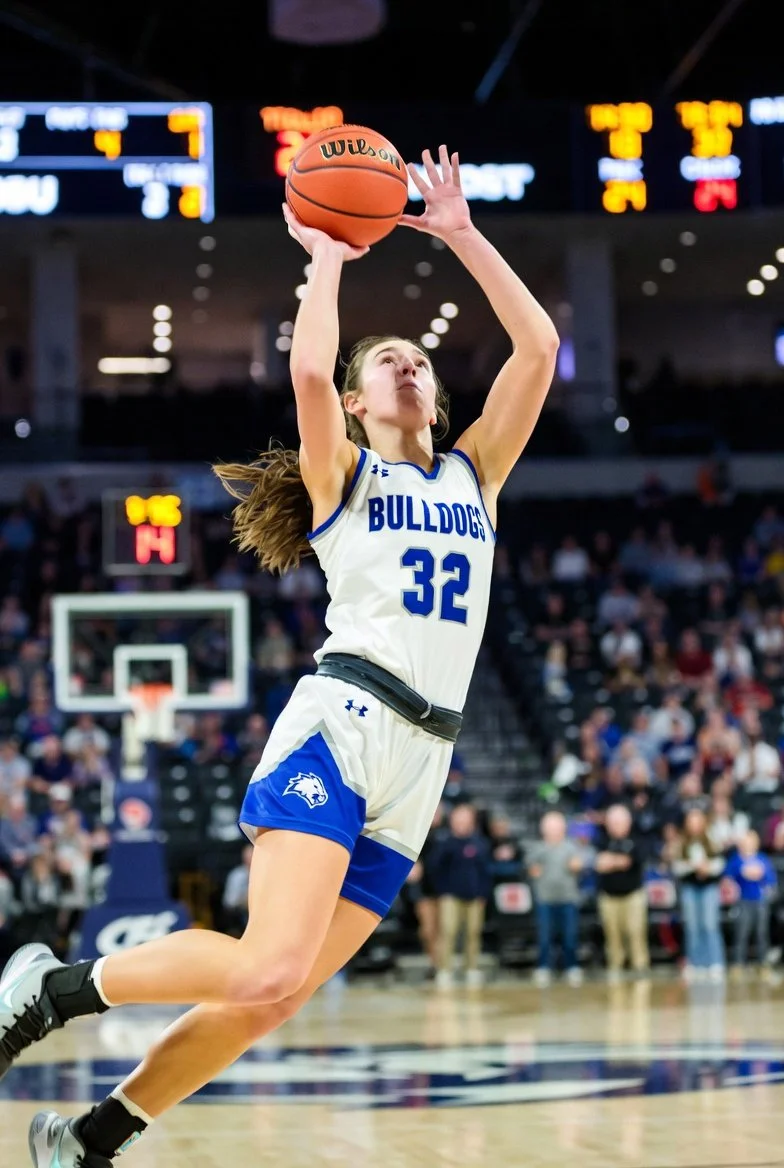
Red Flag #4
Movement Quality Drops as Fatigue Sets In
What you’ll see
Sloppier cuts late in practice
Heavier feet
Slower reactions under fatigue
Why it matters
Fatigue exposes weak links. When movement quality drops late, injury risk rises—even if conditioning looks “fine.”
Coach decision guide
✅ Monitor if occasional
⚠️ Adjust practice structure or sequencing
🚩 Get help if breakdowns happen consistently
Common mistake
Blaming effort instead of capacity.
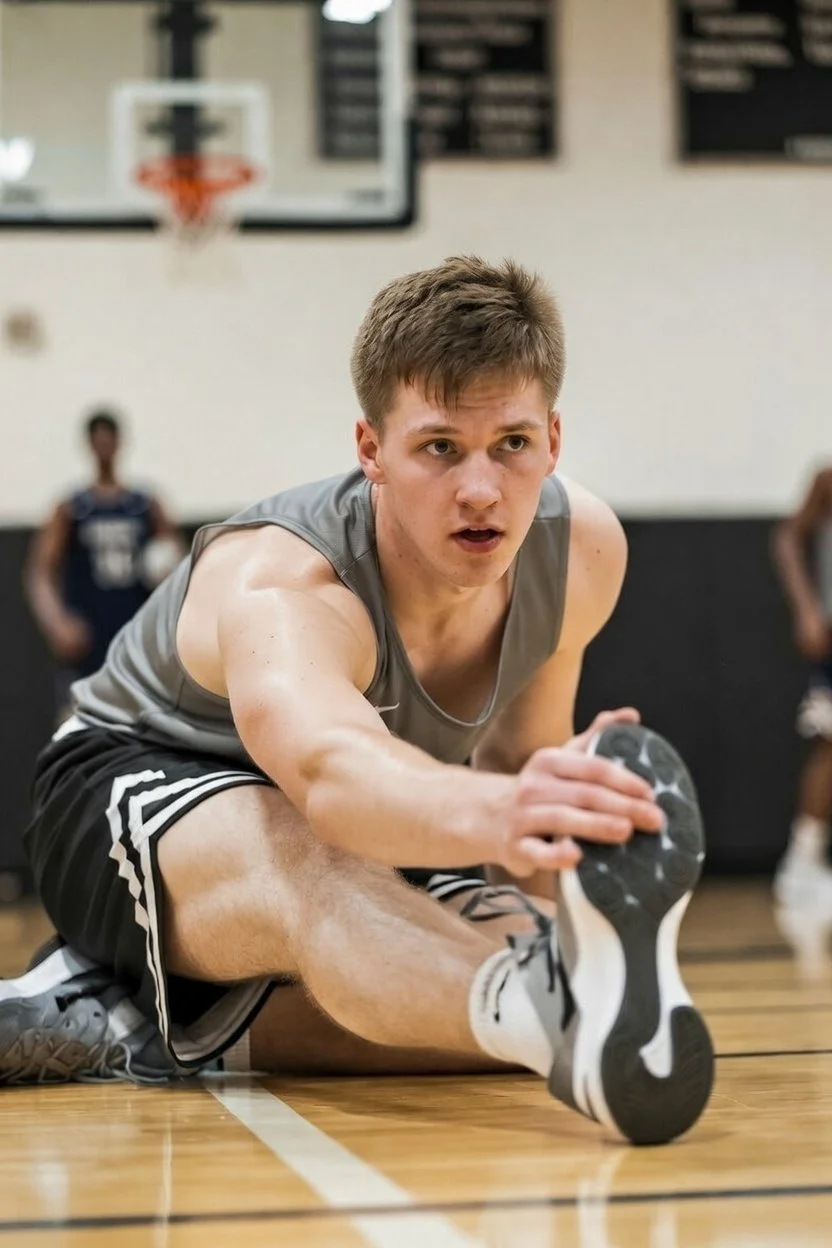
red flag #5
Recurrent Tightness in the Same Areas
What you’ll see
Players constantly complaining about:
Calves
Hips
Hamstrings
Low back
Shoulders
Why it matters
Chronic tightness is often a protective response, not a flexibility problem. The body is guarding against stress it can’t handle well.
Coach decision guide
✅ Monitor if it resolves quickly
⚠️ Modify workload if it keeps returning
🚩 Get help if stretching never fixes it
Common mistake
Assuming more stretching is the solution.
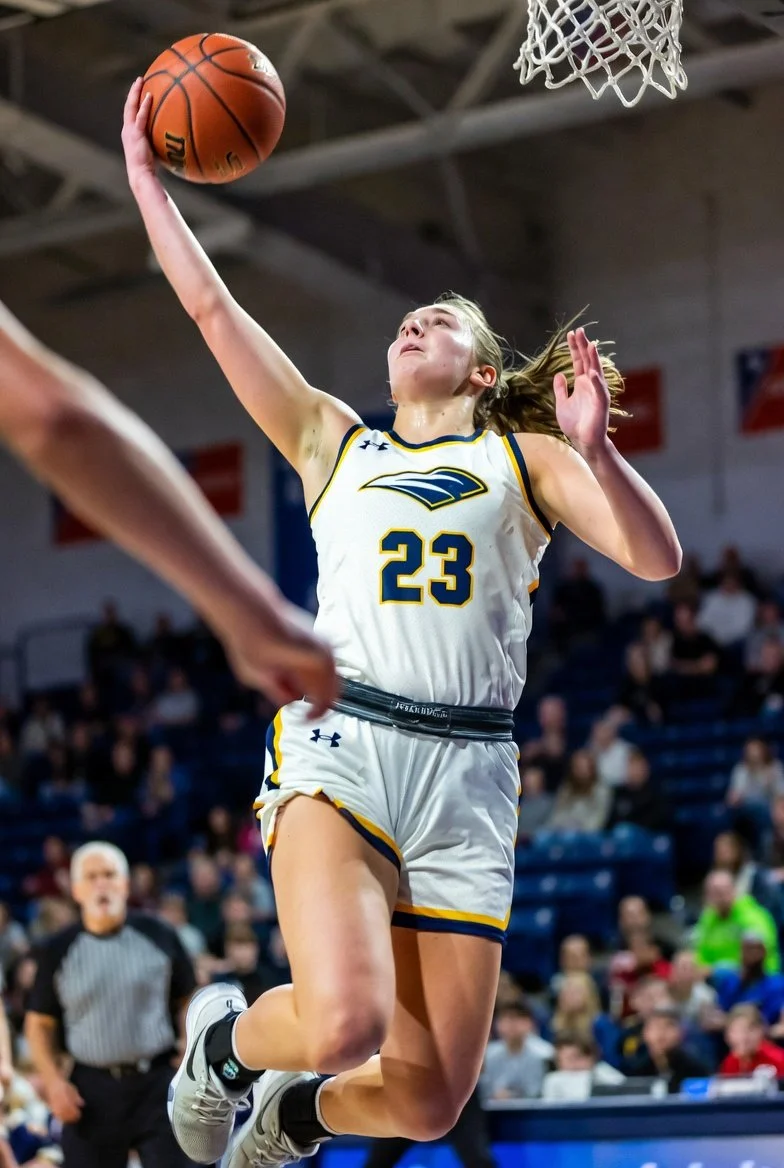
Red Flag #6
Players Who Are Always “Almost Injured”
What you’ll see
Always taped or braced
Constantly “managing something”
Rarely 100%, but rarely out
Why it matters
These athletes are often operating right at their physical limit. This is commonly the phase before a bigger injury.
Coach decision guide
✅ Monitor short-term
⚠️ Modify cumulative load
🚩 Get help if this is their normal state
Common mistake
Mistaking availability for durability.
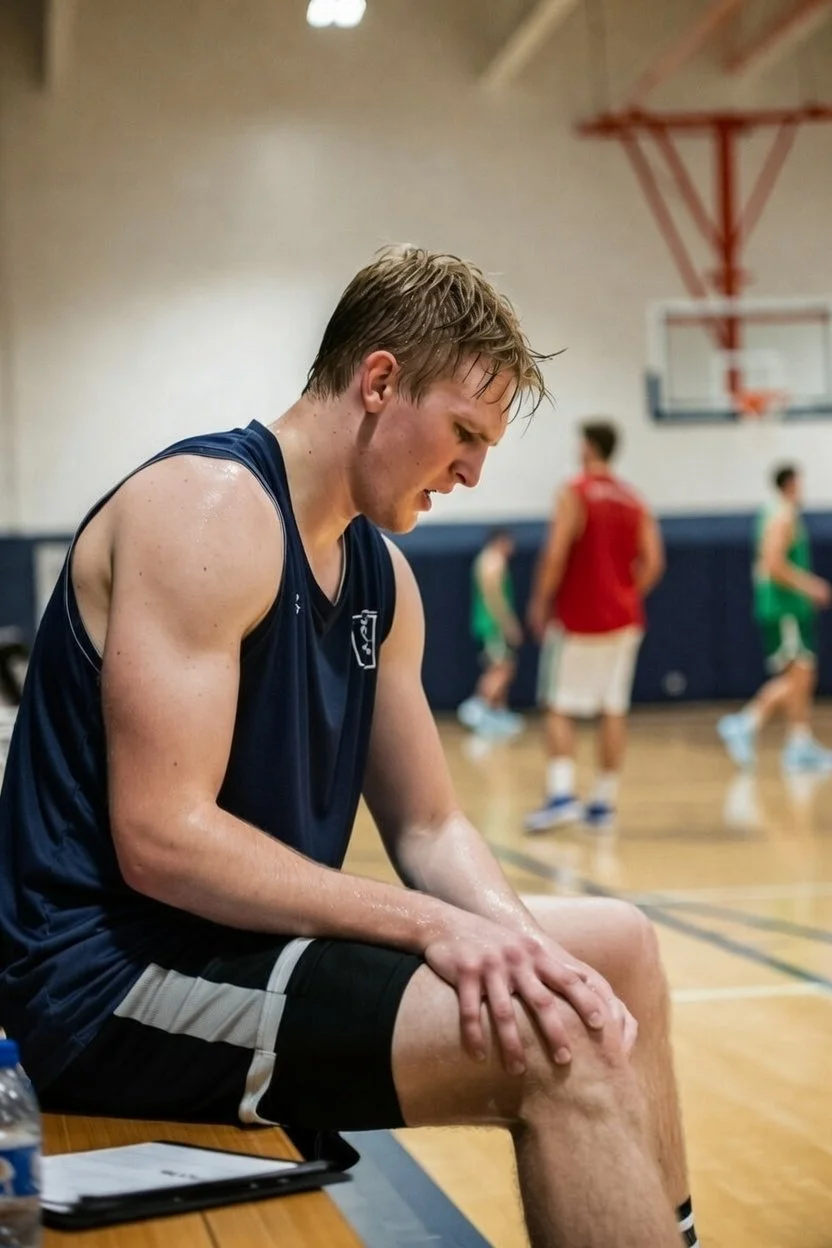
red flag #7
The Same Injury Pattern Showing Up Every Season
What you’ll see
Same knee issue
Same ankle problem
Same back flare-up year after year
Why it matters
Previous injury is one of the strongest predictors of future injury—especially if underlying movement issues were never addressed.
Coach decision guide
⚠️ Modify early in the season
🚩 Get help before the same outcome repeats
Common mistake
Assuming last year’s fix will work again.
Why Traditional Fixes Often Fail
When players start dealing with pain or recurring issues, the traditional advice is usually predictable:
Rest a few days
Stretch it more
Tape it up
Push through it
Sometimes that works — temporarily. (by “works” I mean that the pain may go away but the actually problem isn’t fixed)
But if the same problems keep resurfacing, it’s usually because the underlying issue was never addressed.
Rest can calm symptoms.
Stretching can improve short-term comfort.
Taping can add support.
None of those increase a player’s ability to absorb & produce force, tolerate workload, or move efficiently under fatigue.
Rest does not increase durability or capacity, it can only help the symptoms. So overall injury risk doesn’t change.
If you’re seeing the same red flags show up repeatedly, it’s not usually a toughness issue.
It’s a preparation issue.
The next section will show you what actually prepares bodies for the physical demands of basketball looks like — and why that’s the foundation of keeping your best players on the floor.
Preparing Bodies for the Demands of Basketball
The demands of basketball are unique. It requires speed and endurance. Finesse and strength. Power and mobility. The ability to go vertical and to shift directions.
During a game, your main players will:
Run 2-3 miles
Sprint an average of 55 times per game
Perform 105 “high intensity actions”
Perform about 50 jumps
If the body isn’t prepared to handle those forces repeatedly, something eventually absorbs more stress than it can tolerate.
Preparation isn’t just about conditioning.
It’s about building athletes who can:
Absorb force efficiently when landing
Control their body during deceleration
Maintain movement quality as fatigue sets in
Tolerate the volume and intensity of a full season
This starts at the ground level. Trying to build incredible endurance without foundational physical traits is an uphill, losing battle.
Durability and resilience is built when athletes improve:
Mobility - the available space you can operate in
Joint Stability - being able to load your joints in efficient patterns to minimize joint stress
Movement Quality — sharing the load between multiple joints to prevent overload
Force Management — how they absorb and produce force
Capacity — how much stress they can handle repeatedly
Lifestyle Factors - nutrition, hydration, sleep, stress management
When those improve, availability improves.
The goal isn’t to eliminate all injuries.
The goal is to reduce preventable ones by preparing bodies for the realities of basketball.
When preparation becomes part of development, players hold up better — and coaches get more consistency across the season.
Simple Adjustments When Red Flags Show Up
One red flag doesn’t mean panic.
But when multiple warning signs show up consistently in your team or even the same athlete, small adjustments early or seeking guidance can prevent bigger problems later.
You don’t need to overhaul your program. You need to adjust intentionally.
Here are some of those small adjustments we’d recommend caches and trainers make when you see red flags:
1. Emphasize Recovery (Especially Sleep)
Fatigue increases injury risk. When athletes are underslept:
Reaction time slows
Decision-making declines
Movement quality breaks down sooner
Force absorption becomes less efficient
Late-practice breakdowns are often fatigue-related, not effort-related.
Sleep is one of the most powerful injury-prevention tools available — and it costs nothing.
If red flags are showing up:
Ask about sleep before changing practice plans and changing your rotations
Be cautious with extra conditioning
Monitor late-session mechanics closely
Nutrition matters too. Inadequate fueling slows recovery, limits adaptation, and compounds fatigue across the week.
Recovery isn’t soft. It’s preparation.
2. Modify Volume Before Intensity
When overload shows up, reduce total stress before removing competitiveness.
Limit excessive jump volume
Reduce repeated high-speed cuts
Trim unnecessary reps
Often the issue isn’t how hard they’re going — it’s how much cumulative stress they’re absorbing.
Small reductions early are better than forced shutdowns later.
3. Stay in the Weight Room (Strategically)
Many teams dramatically reduce or eliminate strength training during the season.
Done correctly, in-season strength work can reduce injury risk, not increase it.
It doesn’t have to be high intensity or high volume. It should:
Maintain strength
Reinforce good movement patterns
Support force absorption and control
If you train in-season, recovery becomes even more important.
But removing strength work entirely often removes a layer of protection.
Strong athletes tend to be more resilient athletes.
4. Watch Fatigue Closely
Fatigue doesn’t cause injuries by itself — but it exposes weak links. Pay attention to:
Sloppy deceleration
Heavier landings
Slower reaction times
Posture breaking down late
If you’re doing the above 3 things and movement quality is still dropping significantly, adjust:
Practice sequencing
Rotation timing
Drill density
Maybe give the players bodies a rest and prepare more with film or X’s and O’s
Availability improves when athletes can maintain movement quality under fatigue — not just at the beginning of practice.
5. Act Early, Not Reactively
It’s easier to make adjustments now than to recover from a missed month. If you’re seeing:
The same complaint multiple days in a row
The same athlete managing the same issue repeatedly
Multiple red flags stacking up
That’s the time to act.
Start with recovery and volume adjustments.
Reinforce strength. Monitor fatigue.
If those aren’t working, it may be a deeper preparation issue — not a toughness issue.
By this point, if you haven’t already, it would definitely be the time to get professional movement-focused eyes on the athlete can make the difference between managing symptoms and solving the problem.
Early intervention protects development. Reactive intervention costs time.
When It’s Time to Bring in Outside Help
Most issues can be managed early with smart adjustments.
But sometimes, the patterns tell a bigger story.
It may be time to bring in outside help if you’re seeing:
The same red flags in the same athlete repeatedly
The same injury pattern year after year
Multiple athletes dealing with similar issues
Red flags that don’t improve despite recovery and workload adjustments
At that point, it’s usually not a toughness issue.
And it’s rarely just bad luck. It’s often a preparation issue.
Getting professional, movement-focused eyes on an athlete early can:
Identify underlying limitations
Improve force absorption and control
Address recurring overload patterns
Support long-term durability
This isn’t about unnecessarily resting players and disrupting your season. It’s about supporting what you do and setting your team up for long-term success.
When athletes move better and tolerate stress more efficiently, development becomes more consistent — and availability improves.
Final Takeaway
Keeping your best players on the floor at the end of the season isn’t luck. It’s preparation.
Your chances of going further in the playoffs improves when you:
Spot red flags early
Adjust intelligently
Prioritize recovery
Maintain strength and capacity
Act before small issues escalate
You don’t need to eliminate all risk.
You need to reduce preventable breakdowns.
If you’re seeing recurring patterns — or want help building more durable basketball players — we work directly with coaches to support team availability and long-term development.
If you’d like us to work with your team, fill out the form below and we’ll start the conversation.
You coach the game.
We help make sure bodies are prepared to handle it.