Basketball Injury Prevention Programs
Stay on the court. Continue to get better.
Our programs are built specifically for the physical demands of basketball.
Each program helps players build better movement, improve durability, and reduce injury risk through short guided workouts in an app.
Choose the program that fits your age, level, and goals.
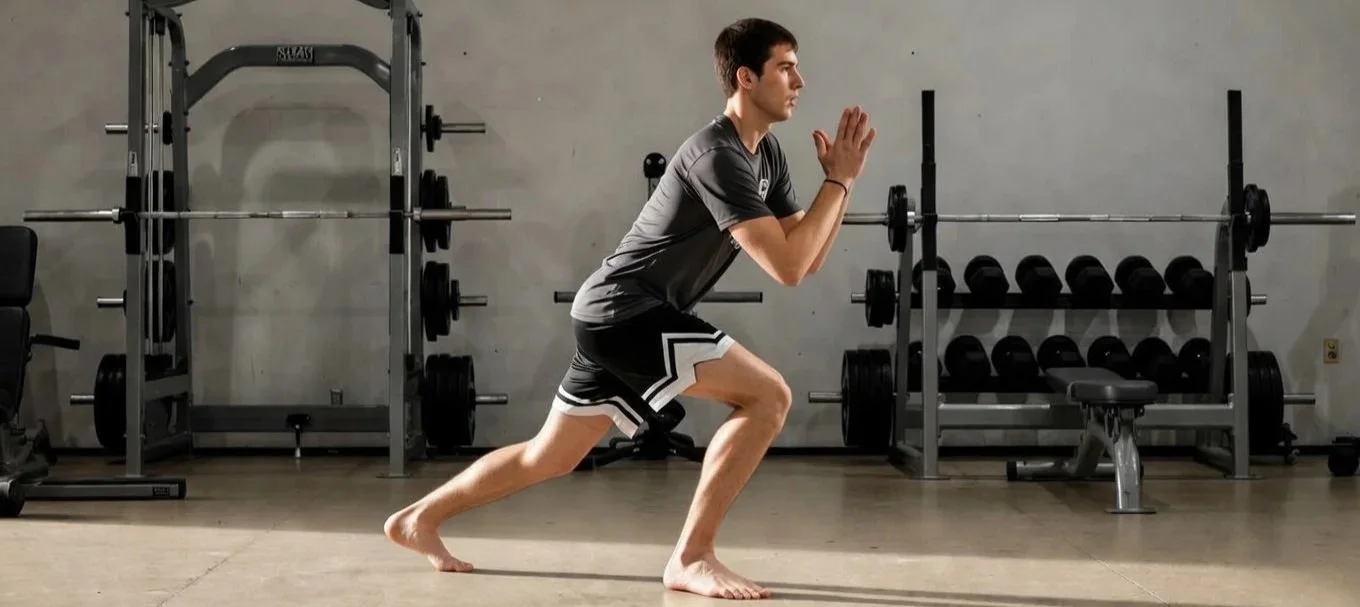
2-Week Basketball Body Durability Program
⭐ BEST PLACE TO START
Build a stronger, more resilient basketball body with a simple 2-week program designed to fit alongside the training you’re already doing.
✓ No equipment needed
✓ Easy to follow
✓ Just 2 weeks
✓ For basketball players of all levels
$39
Introductory price — limited time
Instant access • Complete on your own schedule
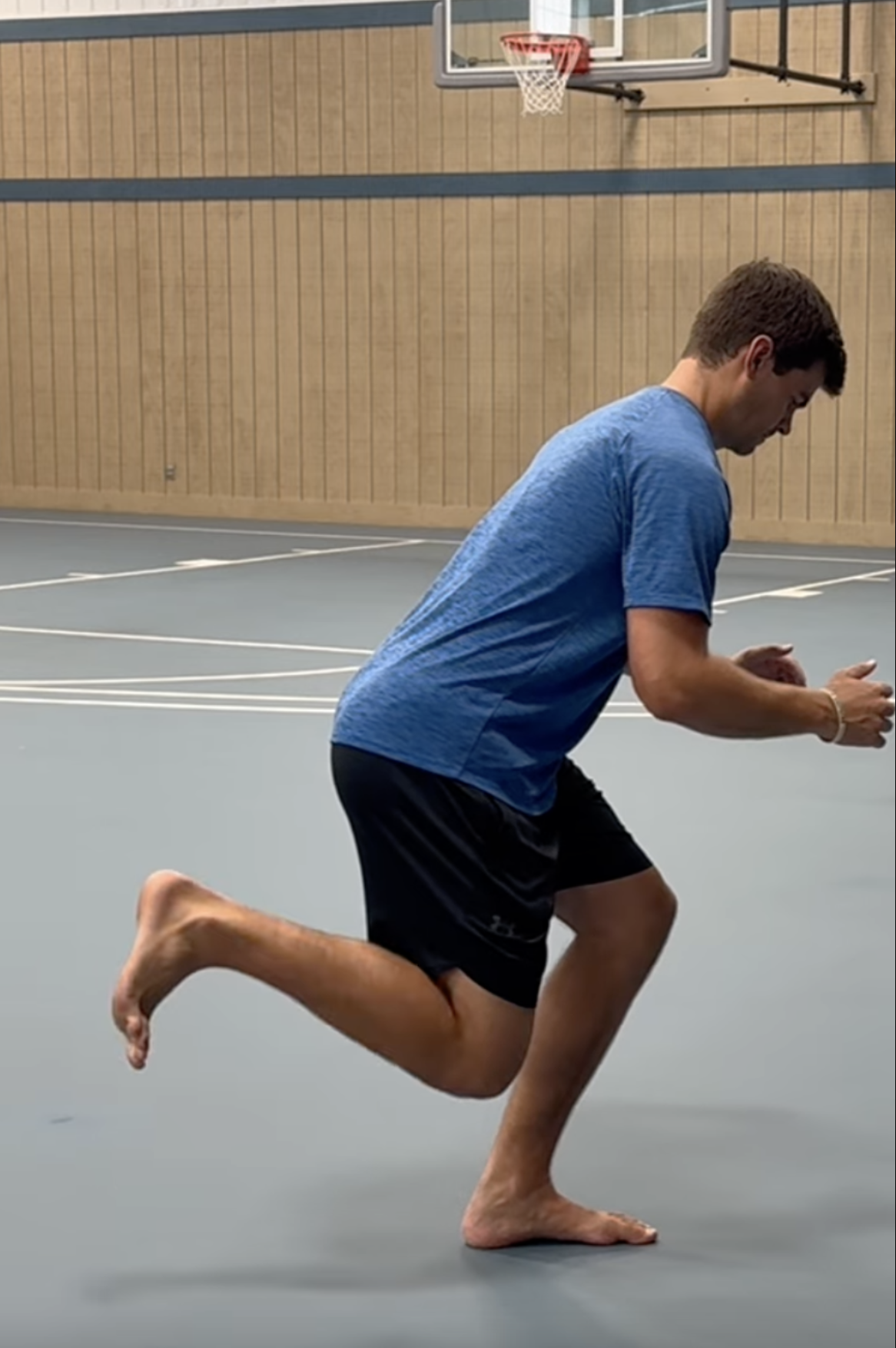
Comprehensive Basketball Injury Prevention For all Ages
Ready for a more comprehensive program?
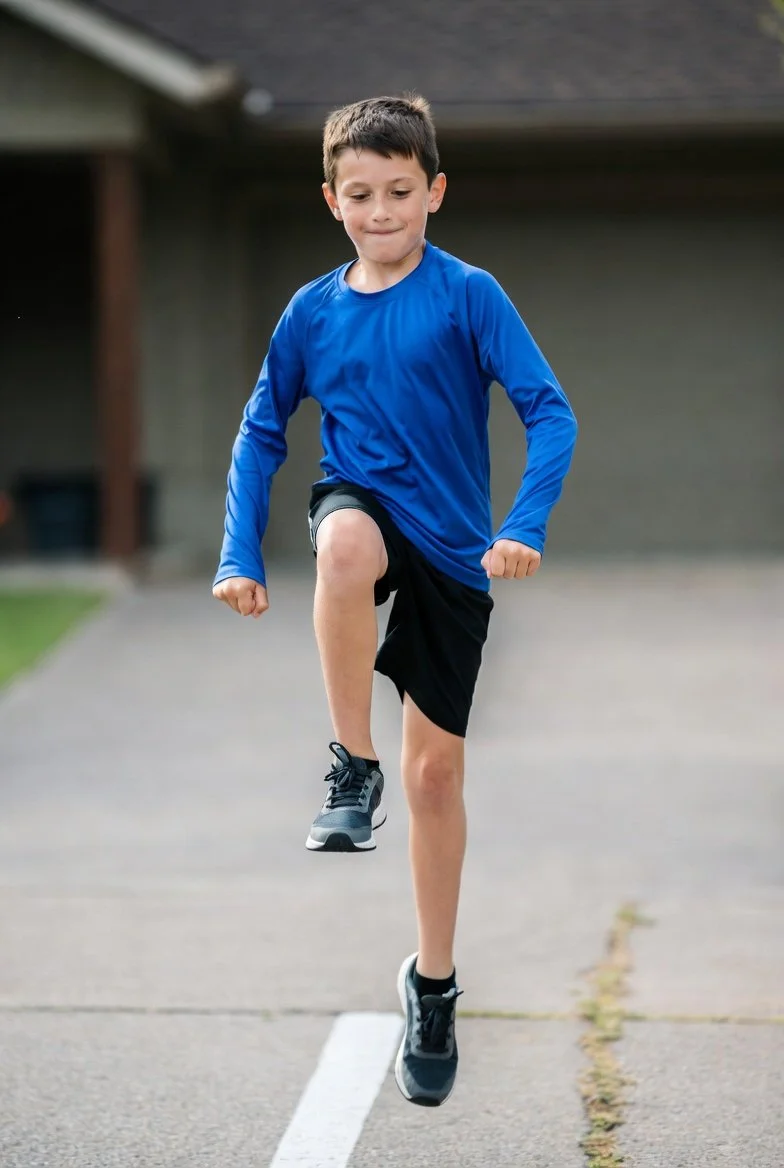
Hooper Foundation
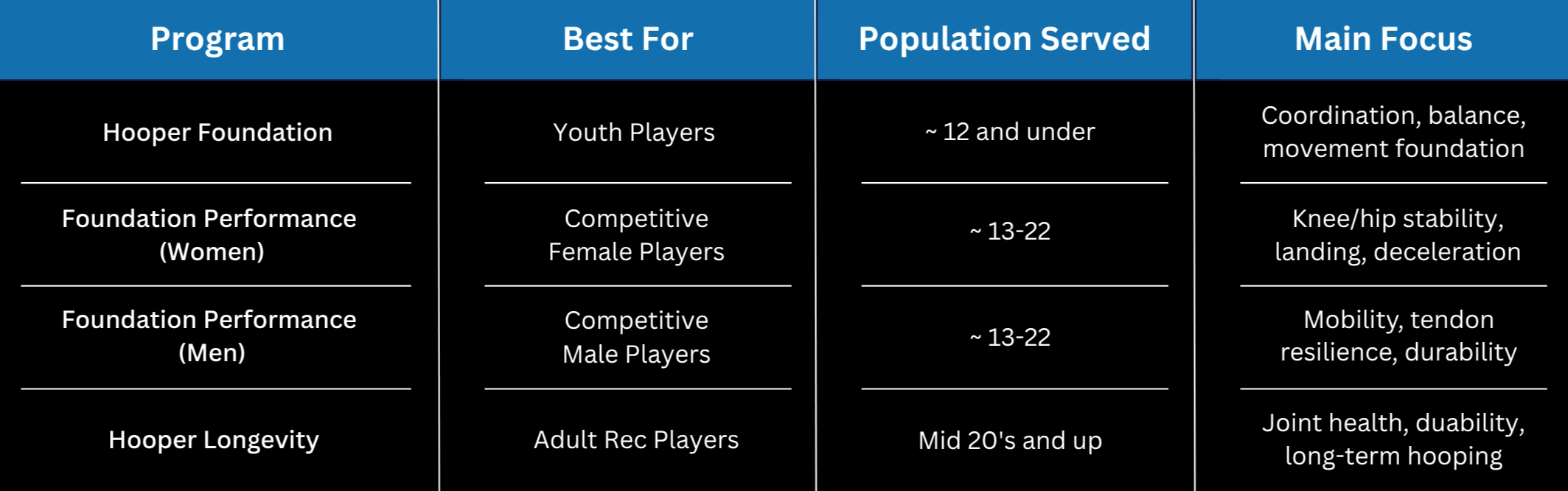
Best for: Youth players ~12 and under.
Build movement, balance, coordination, and physical resilience.
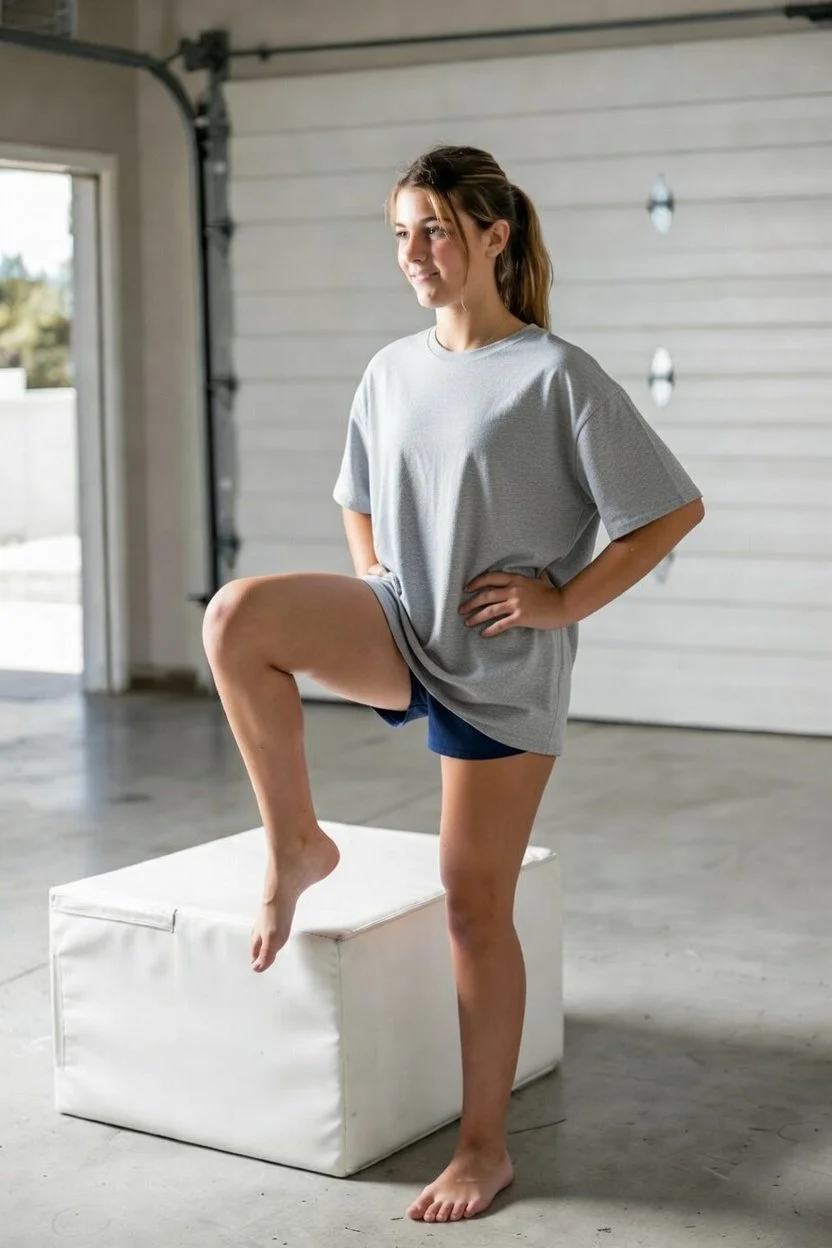
Foundation Performance (WOMEN)
Best for: Female players ~13–22.
Build strength, stability, landing control, and knee/hip resilience.
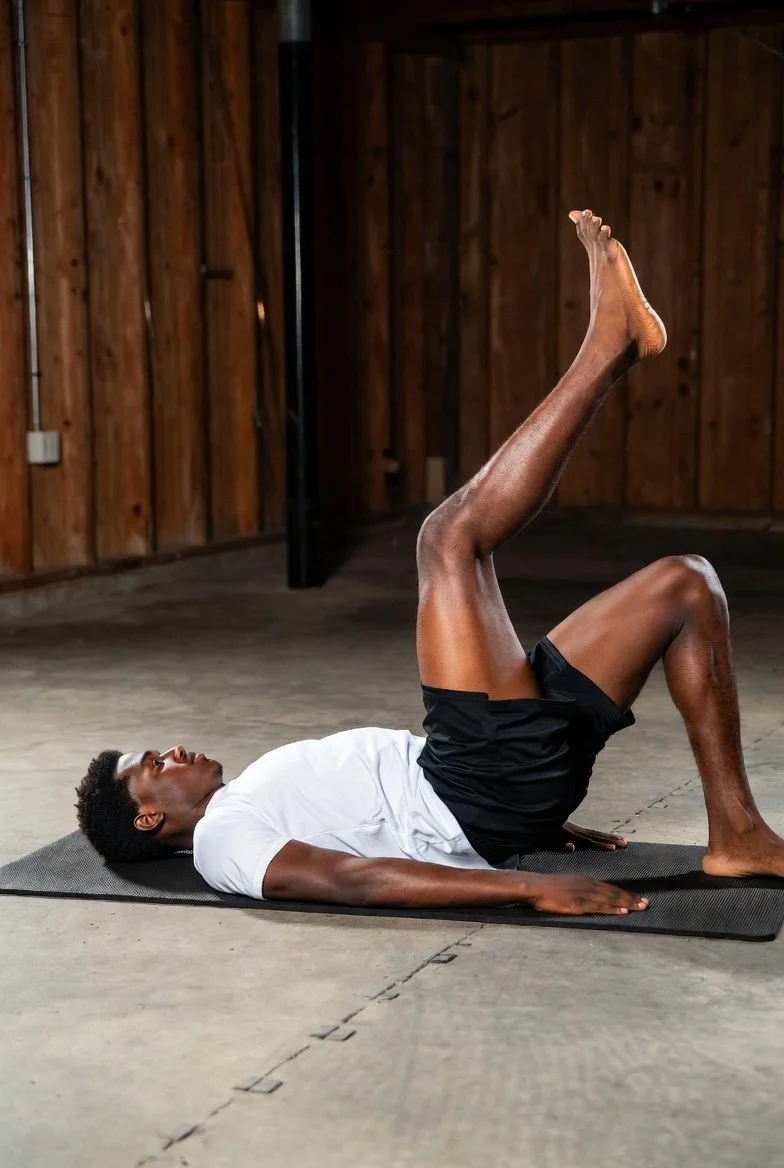
Foundation Performance (MEN)
Best for: Male players ~13–22.
Build durability, mobility, landing control, and lower-body resilience.
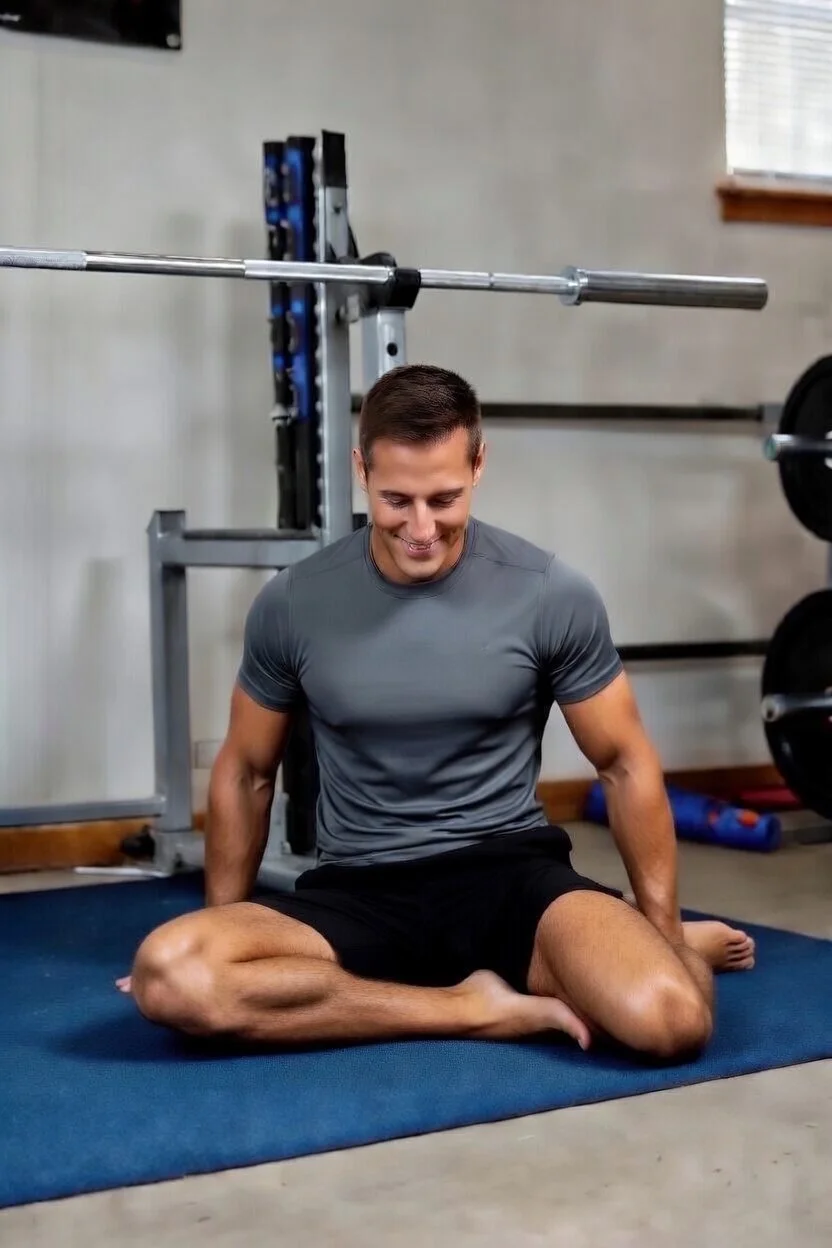
Hooper Longevity
Best for: Adult recreational players.
Stay healthy, move better, and keep playing for years.
Why Basketball Players Need Injury Prevention Training
Basketball is one of the most physically demanding sports.
Players must handle:
Hundreds of jumps per game
Rapid acceleration and deceleration
Frequent cutting and direction changes
Repeated physical contact
Long seasons with limited recovery
Without the right preparation, these demands can lead to injuries.
Our programs are designed to help players build a stronger, more resilient body so they can stay on the court longer.
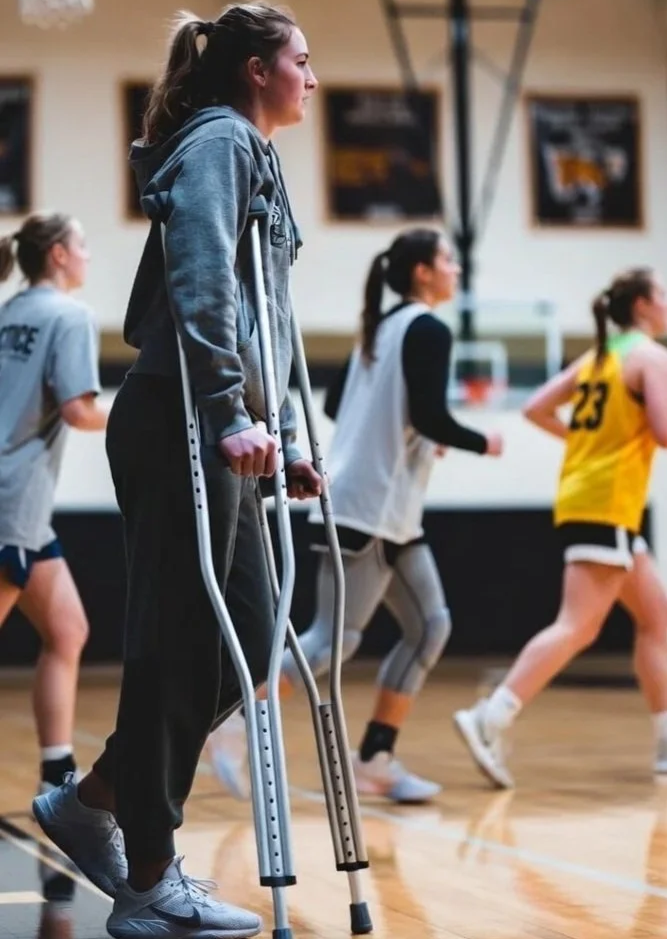
Choose the Program That Fits You
Hooper Longevity
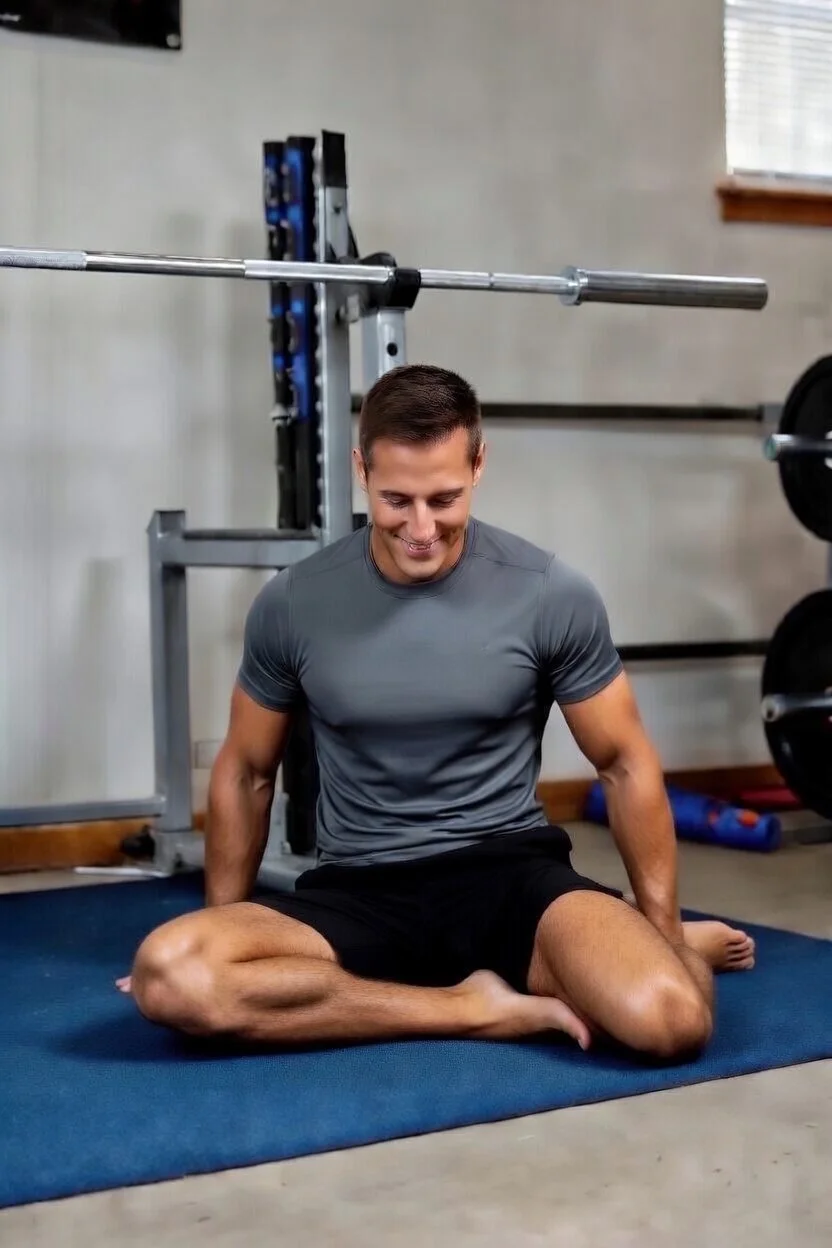
Built for: Adult recreational basketball players who want to stay healthy and continue playing for years.
Whether you play in pickup games, rec leagues, or weekend tournaments, your body needs the right preparation to handle the cutting, jumping, sprinting, and endurance demands of basketball.
This program focuses on:
Joint mobility for the hips, ankles, and spine
Strength for the knees, hips, and core
Landing mechanics, tendon capacity, and change-of-direction control
Recovery strategies to help you stay fresh
Ready to stay healthy and keep hooping for years to come?
Foundation Performance – Men
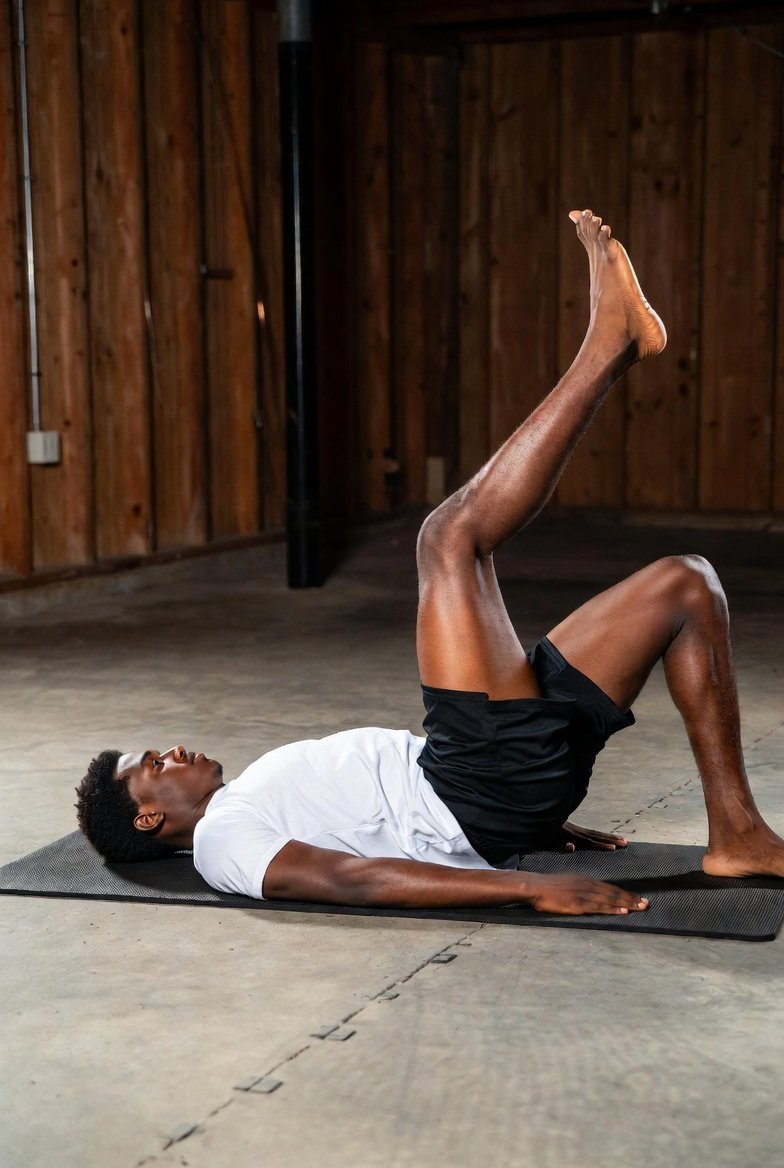
Built for: Serious male high school and college basketball players who want to maximize performance potential while reducing injury risk.
The basketball season places extreme demands on the body — sprinting, jumping, decelerating, and absorbing contact hundreds of times per game and practice.
This program builds the physical foundation male athletes need to stay durable through long seasons and intense training schedules.
Program emphasis:
Hip and ankle mobility to keep joints healthy long-term
Tendon and ligament resilience - the most commonly injured structures
Landing and deceleration mechanics
Specific strengthening for the ankles and spine
Stay available this season and build the foundation for long-term basketball health.
Foundation Performance – WOMen
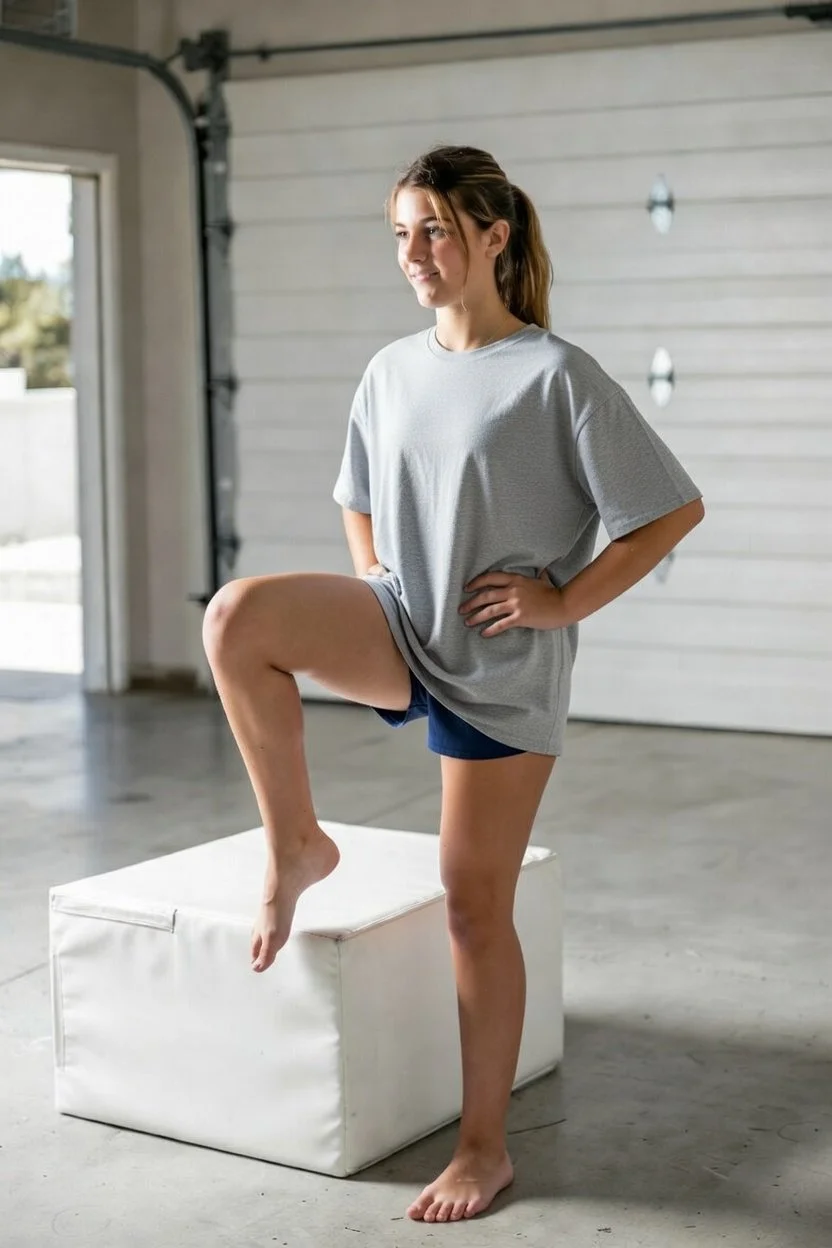
Built for: Serious female high school and college basketball players who want to maximize performance potential while reducing injury risk.
Female basketball players face unique injury risks, particularly with knee injuries such as ACL tears. This program focuses on building the strength, stability, and movement control needed to protect the knees and lower body.
Program emphasis:
Knee and hip stability
Landing and deceleration mechanics
Core control for cutting and jumping
Movement quality for long-term durability
Build the strength, stability, and control needed to stay available for your team.
Hooper Foundation
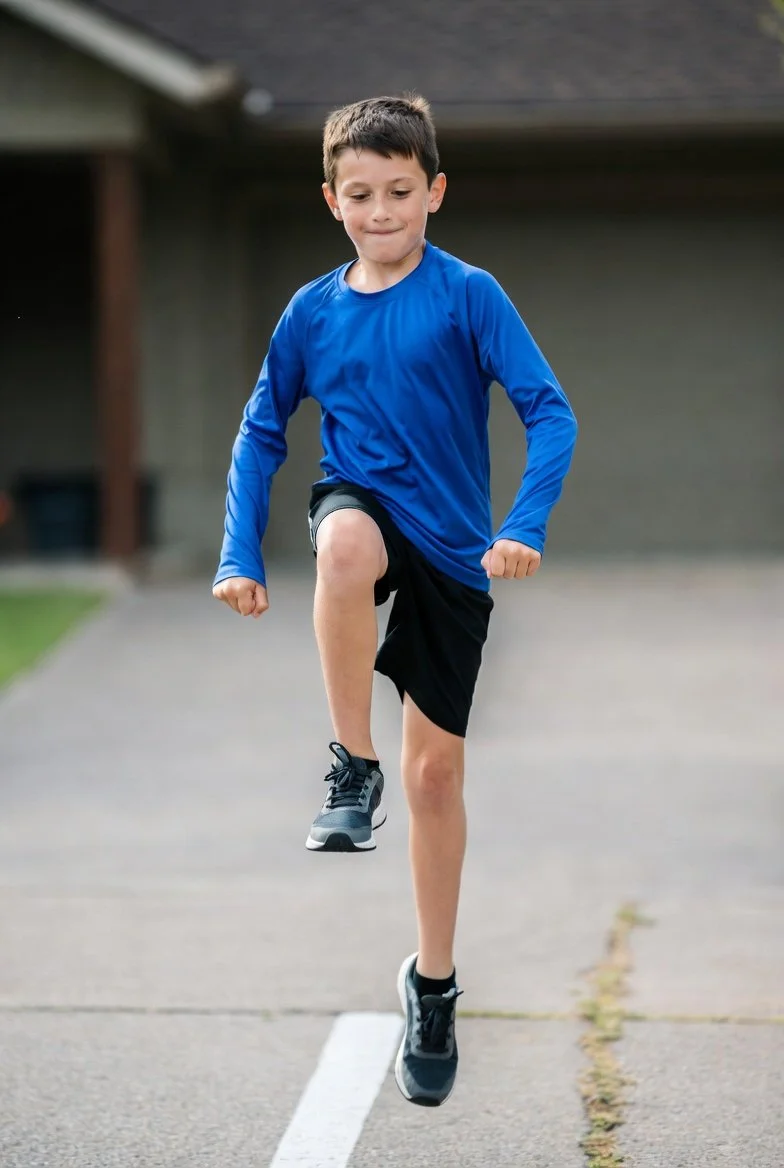
Built for: Youth basketball players ages ~12 and under.
Young athletes should focus on building a strong movement foundation before specializing in intense training.
This program helps young basketball players develop:
Coordination and body control
Balance and stability
Active mobility and flexibility
Proper jumping and landing mechanics
Building these qualities early can reduce injury risk as athletes grow and competition levels increase.
Ready to lay the foundation for basketball specific movement, balance, and coordination?
Who is Dr. Grant Speer
Basketball Injury Prevention Program Comparison
Why I built Basketball movement lab
I’ve been where your athlete is — working hard to improve, pushing through pain, and just trying to stay in the game.
After four years of college basketball and years studying human movement, I created Basketball Movement Lab to help athletes move better, avoid injury, and build the physical foundation they need for both short-term success and long-term development.
Grant Speer
Founder

Delivered Through the TeamBuildr App
Each program is delivered through the TeamBuildr training app (Android or Apple), which allows you to:
Follow step-by-step workouts
Watch exercise demonstration videos
Track your progress
Access your program anytime from your phone
Once you invest in a program, you’ll receive instructions on how to download the app and access your program.
You do not have to guess what to do. Each workout is laid out step-by-step inside the app.
Frequently Asked Questions
-
Yes, but maybe not how you would expect.
These programs are designed primarily to reduce injury risk and improve movement quality, but those things often translate into better basketball performance.
When players bodies are feeling looser and moving better, they typically jump, cut, and change direction more efficiently. They also tend to stay healthier throughout the season — which means more time practicing and playing.
So while these programs do not replace skills training like shooting or ball-handling, they help build the physical foundation that allows your basketball skills to shine.
-
Both can be beneficial.
Off-season:
This is often the best time to build strength, improve mobility, and address movement limitations.In-season:
The program can help maintain mobility, reinforce good movement patterns, and support recovery throughout the season. There may be a few drills we have to modify during season.The sessions are designed so they can fit into either phase of the year.
-
Most of the exercises require minimal to no equipment.
A foam roller would be highly recommended to have, but not required. A few drills may use simple tools such as:
Dumbbells or kettlebells
A bench or box
An exercise mat may nice to have but carpet would also work. Many of the exercises can also be modified depending on the equipment available.
-
If you are (or your child is) middle school athlete without much experience playing basketball or training for basketball, we recommend starting with the Hooper Foundations program. This program focuses on building a strong movement foundation, including coordination, balance, mobility, and basic strength.
If you do have training experience and have are competing at a higher level, the Foundation Performance programs may be best.
-
Not exactly.
Traditional strength and conditioning programs for basketball players are typically designed to improve max strength, speed, and power.
Our programs focus specifically on movement quality, joint health, mobility, and tissue resilience — the physical qualities that help basketball players stay healthy while handling the demands of the sport.
While many of the exercises will still help players build strength and control in key areas like the hips, knees, ankles, and core, the primary goal is improving how the body moves and handles load.
These programs are not designed to replace strength and conditioning programs. Instead, they are meant to complement them.
In fact, many of the drills work well as part of a warm-up, movement prep routine, or recovery session alongside a strength program.
-
Most sessions will take approximately 10-20 minutes to complete.
The goal is to make the program realistic for athletes who already have practices, games, skills training, and school or work commitments.
We understand that our programs are not your primary training but are here to complement your primary training and allow you do it consistently.
Consistency is far more important than long sessions.
-
The only way we could guarantee you’ll never get injured playing basketball is if you stop playing basketball.
No program can completely eliminate injury risk. Basketball is a fast, physical sport that involves jumping, cutting, rapid changes of direction, and contact with other players.
What we can say with confidence is that if you follow the program as instructed, you will improve important physical qualities such as mobility, joint stability, movement control, and tissue resilience.
When those qualities improve, the body is better prepared to handle the physical demands of basketball — and injury risk goes down.
-
No. These programs are meant to support the work that coaches, trainers, and strength staff are already doing.
Basketball Movement Lab focuses specifically on the movement and injury prevention side of athlete development, which complements basketball skills training and traditional strength programs.
-
All Basketball Movement Lab programs are designed by Dr. Grant Speer, a Doctor of Chiropractic and Certified Strength & Conditioning Specialist (CSCS) through the National Strength & Conditioning Association (NSCA).
Dr. Grant is also a former college basketball player and has coaching experience, giving him both a medical and practical understanding of the physical demands of the game.
He works with basketball players to help them prevent injuries, rehabilitate injuries, and improve movement quality so they can stay healthy and perform at a high level.
His approach combines principles from:
Sports medicine
Strength and conditioning
Movement assessment
Basketball-specific biomechanics
Each program is built around the real physical demands of basketball — including jumping, landing, cutting, sprinting, and absorbing contact — while focusing on improving mobility, joint stability, and tissue capacity.
-
After purchasing, you’ll receive instructions for accessing your program through the TeamBuildr app. From there, you can follow the workouts, watch exercise demos, read instructions, and track your progress.
For Coaches & Teams
Want your whole team building better movement habits?
We offer team discounts for colleges, high schools, middle schools, travel programs, and AAU teams who want their players using our basketball injury prevention programs.
We also offer a more comprehensive Team Injury Prevention System for coaching staffs who want a holistic plan for building a healthier team and reducing injury risk. It includes warm-ups, cool-downs, strength & conditioning principles, recovery habits, sleep and nutrition recommendations, durability exercises, video tutorials, and simple implementation options.