How to Get Better at Basketball: Simple… Not Easy
If you’ve ever looked into “how to get better at basketball,” you’ve probably noticed something frustrating:
Everyone has advice.
Very few people explain how it actually fits together.
Here’s the truth most players miss:
Getting better at basketball is simple — but it’s not easy.
It’s simple because there’s several (I break it into 7) areas that I would call “low hanging fruit” that anyone who wants to get better at basketball should do to try to reach their full potential. These are things that virtually anyone can do!
But it’s not necessarily easy, because work has to be put in. There’s no secret drill, no magic program, no single missing exercise. Improvement comes from consistently doing the boring but essential things — and doing them long enough to matter.
Here are the 7 simple things you should be doing if you want to get better at basketball (in no order of importance).
Let’s break it down.
1. Skills Training: You Still Have to Touch the Ball
This one sounds obvious… yet it’s where many players try to shortcut.
If you want to get better at basketball, you must improve:
Dribbling
Shooting
Finishing
Footwork
Passing
There is no replacement for reps with intent.
That doesn’t mean mindlessly shooting around for an hour at half speed. It means focused skill work:
Game-speed reps
Getting good with both hands
Shooting with a hand in your face
And being able to do it all with some level of fatigue
Skill development is the foundation — but it’s only one piece of the puzzle.
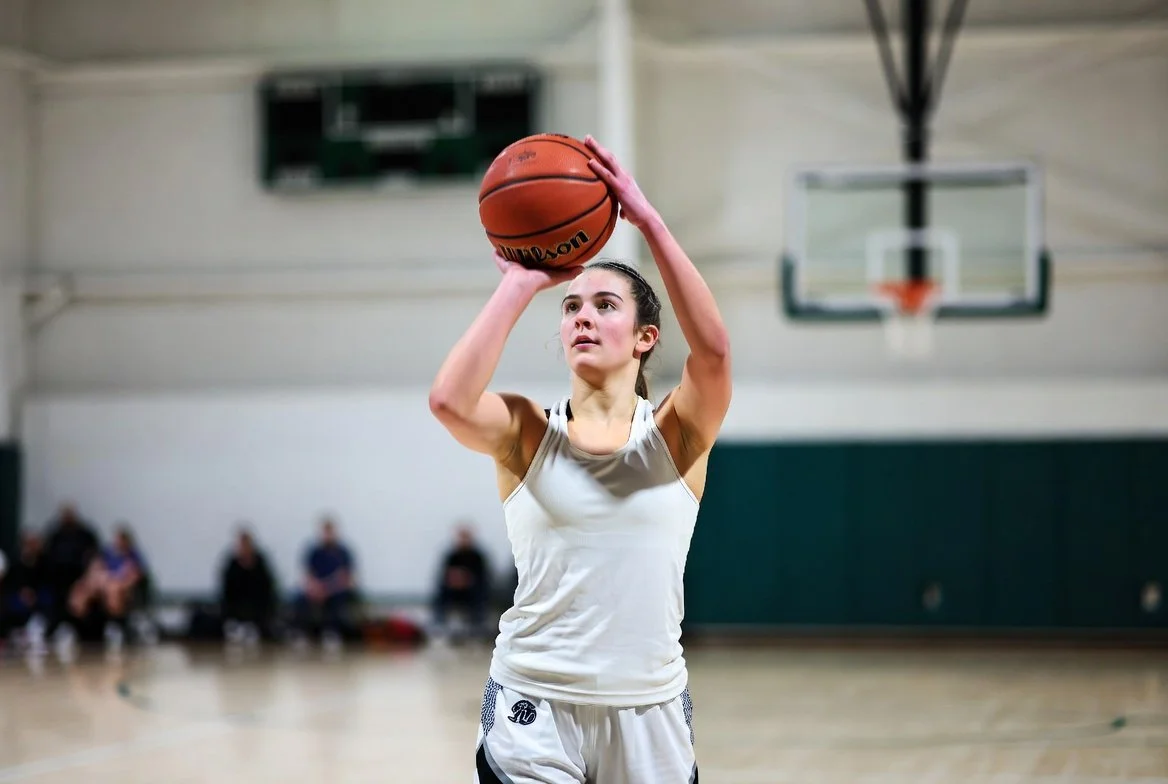
Getting better at basketball requires consistent skill work, confidence, and the ability to stay on the court.
2. Learn the Game: Basketball IQ Matters
You can’t out-athlete bad decisions forever. Be a student of the game.
Players who improve faster tend to:
Understand spacing
Read defenders
Know when to cut, pass, or attack
Recognize defensive coverages
Play with purpose instead of panic
Watch the game. Study film. Ask why plays work — not just what happened.
Basketball is a thinking game disguised as a running one.
Bonus Tip: Watch smart players play. If you’re a point guard, watch smart point guards play - Chris Paul, Steve Nash, Steph Curry.
3. Strength & Conditioning: Build the Engine
Having great skill and a high basketball IQ will take you somewhere, but basketball is a game that favors good athletes.
Getting better at basketball requires a body that can:
Produce force
Absorb force
Repeat efforts
Recover between plays
This includes:
Strength
Speed
Power
Agility
Endurance
Explosiveness
The goal isn’t to look strong — it’s to move faster, jump higher, decelerate quicker, and last longer.
And yes, this matters even if you’re “just a shooter.”
The greatest players in the history of basketball were great athletes that prioritize their strength and conditioning and took it very seriously - Michael Jordan, Lebron James, Steph Curry, Kobe Bryant, and Larry Bird (just to name a few).
4. Play the Game: Training Isn’t the Same as Competing
You can train all you want — but improvement stalls if you never actually play.
Live basketball matters:
1-on-1
3v3
5v5
Pick-up games
Off-season runs
Competition exposes weaknesses that drills never will:
Conditioning gaps
Decision-making under pressure
Defensive habits
Confidence (or lack of it)
If you only train your skills, but never compete, it’s hard to know how your stacking up against the competiton. You don’t have to play competitively every day in the off-season, but weekly or 2-3 times a month can be a good habit.
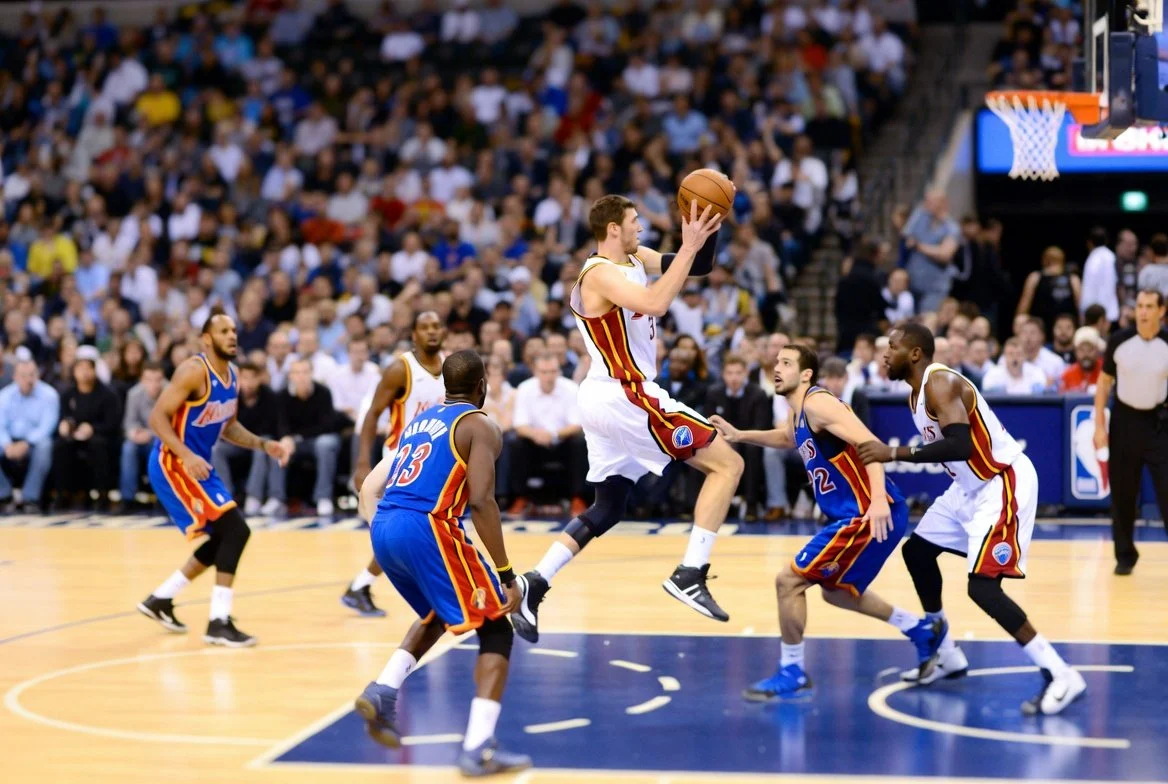
Getting better at basketball requires real competition—training matters, but live games expose what drills can’t.
5. Lifestyle Factors: Your Body Is the System
You don’t improve in the gym or on the court — you improve when your body recovers.
When your nervous system adapts and gets more dialed in. When your body adapts and gets stronger, more resilient. This all happens during recovery.
Key factors that quietly separate players:
Enough protein
Consistent meals
Workout fueling
Sleep quality
Stress management
Support system
You can’t out-train poor recovery.
If your body is always exhausted, sore, or under-fueled; progress will be slow — no matter how hard you work. And injuries will be more likely…
6. The Mental Game: Train the Part You Can’t See
Basketball is physical — but it’s also brutally mental.
Players who get better over time aren’t just the most skilled or athletic. They’re the ones who can:
Stay composed under pressure
Respond well after mistakes
Compete when they’re tired
Stay confident through slumps
Keep showing up when progress feels slow
That’s mental training.
The mental game includes:
Mental toughness – pushing through fatigue, bad games, and adversity
Confidence – trusting your preparation, not just your highlights
Resiliency – bouncing back from injuries, mistakes, or reduced roles
Positive thinking – controlling internal dialogue instead of letting it spiral
Humility - admitting you have room to improve and being coachable
This doesn’t mean pretending everything is perfect. It means learning how to reset quickly, stay present, and compete with clarity.
Many players train their body and skills every day… but never intentionally train how they respond when things get hard.
And in basketball, things will get hard.
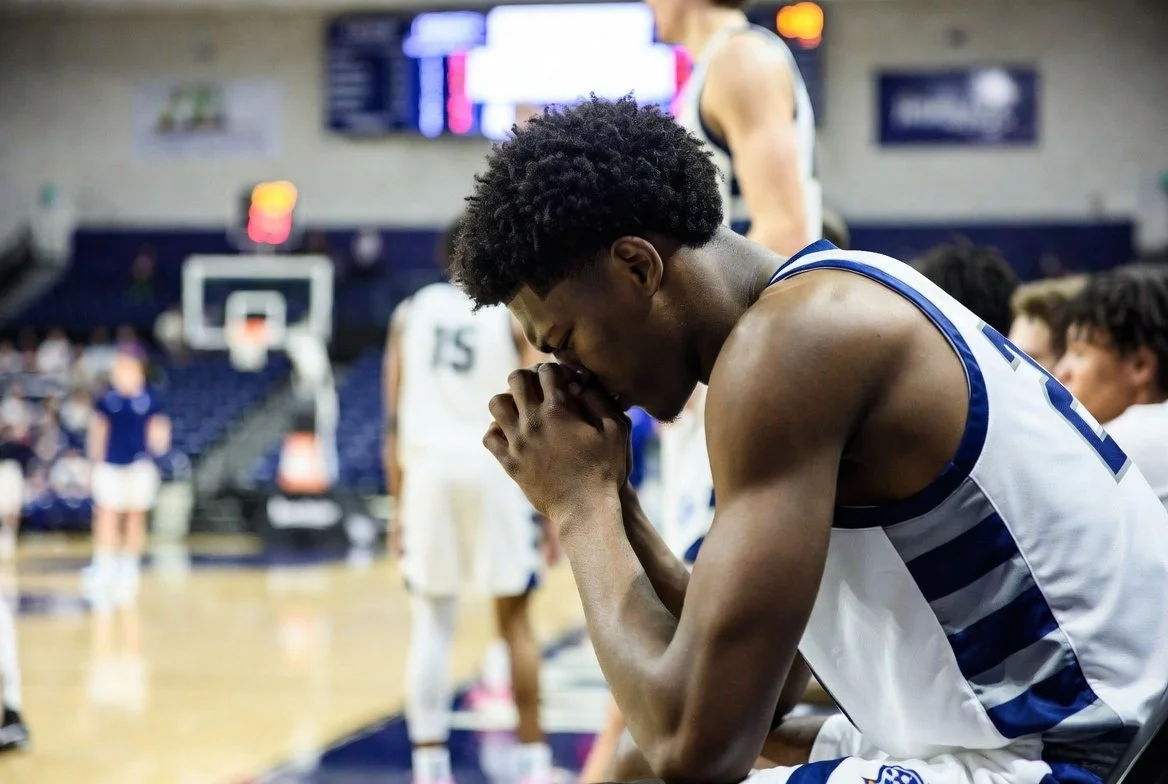
The mental side of basketball—confidence, resilience, and focus—often determines how players respond when the game gets hard.
7. Movement Training & Injury Prevention: The Missing Piece
Movement training & injury prevention can seem like a waste of time; until you notice that you are moving smoother, recovering faster, and getting far less aches & pains that others are getting.
Here’s the part most players ignore until it’s too late:
It’s hard to get better at basketball if you’re hurt and can’t play basketball.
Improvement requires availability.
Movement training and injury prevention focus on:
Joint mobility
Movement quality
Joint stability
Landing and cutting mechanics
Balance and control
Tissue capacity
This isn’t about bubble-wrapping athletes.
It’s about building a body that can handle:
Repeated jumps
Hard decelerations
Contact
Long seasons
Year-after-year play
The most skilled player on the team doesn’t help much if they’re always sidelined.
Basketball players get hurt often. It’s a fast and physical game. What will you do to stay available for your team?
So… How Do You Actually Get Better at Basketball?
It’s simple:
Train your skills
Learn the game
Strengthen your body
Play competitively
Support your body with smart lifestyle habits
Be tough between your ears
Protect your movement so you can stay on the court
None of this is flashy.
All of it works.
The players who improve the most aren’t the ones chasing shortcuts — they’re the ones stacking fundamentals consistently.
Want a Clear Starting Point?
If you want help building a body that lets you keep playing while you work on your skills, I put together a free guide that breaks this down in a simple, practical way.
👉 Download the free guide:
5 Simple Habits Every Basketball Player Should Build to Stay Injury-Free
It’s designed to help you:
Move better
Reduce injury risk
Stay available
Continue progressing your skills and abilities because you are healthy!
Because getting better at basketball isn’t complicated — it just requires the right foundation.