What to Look for in a Basketball Weight Training Program
If you are searching for a “Basketball weight training program,” you’re probably not just looking for a random list of exercises.
You’re really asking: What kind of weight training actually helps basketball players perform better, stay healthier, and keep playing longer?
That’s an important question — because not all basketball weight training programs or strength and conditioning programs do all of that. Some improve strength and resilience. But many of them quietly increase injury risk, stiffness, and movement inefficiencies over time.
Let’s talk about what a good basketball weight training program should actually do — and how it should change based on age, goals, and the type of basketball player you are.
The True Goal of a Basketball Weight Training Program
At its core, a basketball weight training program should do one main thing:
Make your body more efficient at safely producing and absorbing force in movements and positions that resemble the game of basketball.
Basketball is not a slow, symmetrical, straight-line sport. It involves:
Rapid accelerations and decelerations
Jumping and landing (often on one leg or in traffic)
Cutting, shuffling, rotating, and reacting
Repeated force production and force absorption under fatigue
Weight training should support these demands — not fight against them.
But before we get too “basketball-specific,” there’s an important rule many programs skip.
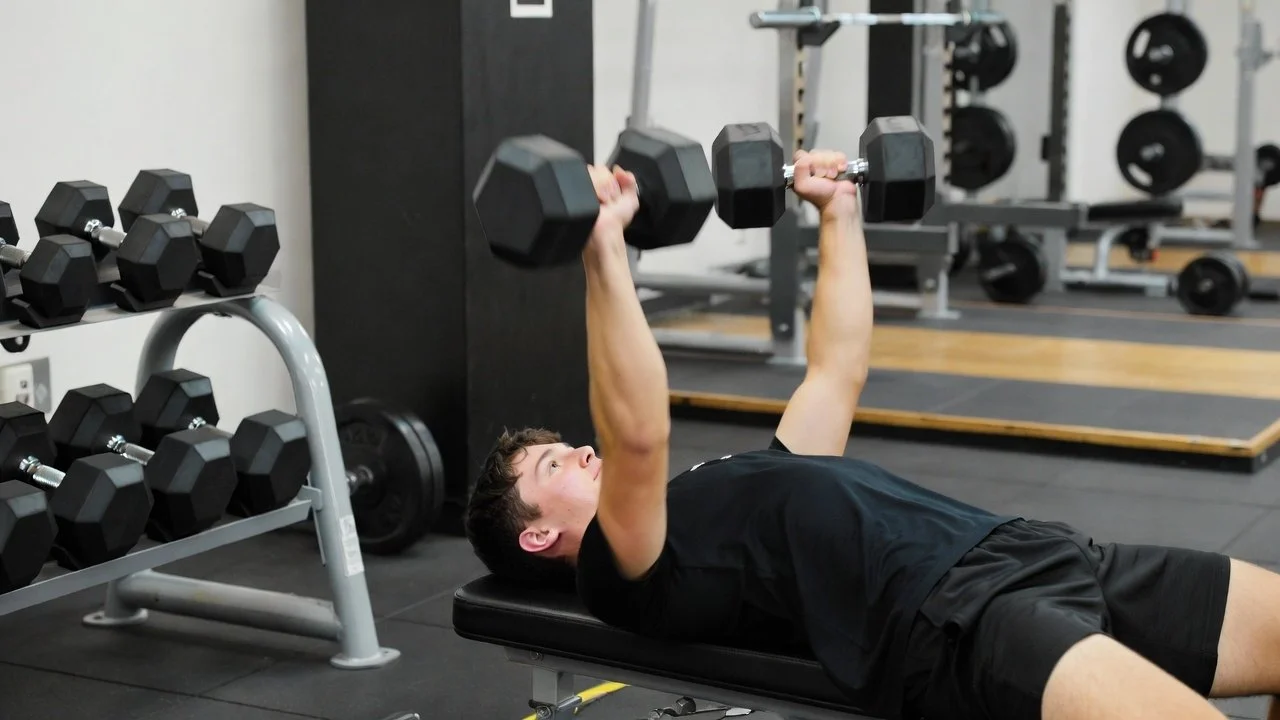
Upper-body strength training should support durability and on-court performance, not increase injury risk.
Foundation First: Movement, Strength, and Mobility
Before layering on a lot of basketball-specific strength and power work, athletes need a foundation of:
General strength
General mobility
Movement variability (the ability to move well in many positions)
Why does this matter?
Because without a good foundation of these qualities, it’s hard to build basketball specific strength and power in a safe manner.
If an athlete lacks a foundation of mobility, general strength, balance, or movement options; highly sport-specific or high-intensity training often leads to:
Overuse injuries
Aches and pains
Compensation patterns
Decreased efficiency as fatigue sets in
A quality basketball weight training program builds the foundation first, then layers intensity and specificity on top of it.
How Basketball Weight Training Should Change With Age
One of the biggest mistakes in basketball training is using the same weight training approach for every athlete. Age matters — a lot.
Ages 8 and Under: Build the Movement Toolbox
At this stage, weight training isn’t really the focus. The goal is movement exposure.
Emphasis should be on:
Play and exploration
Speed
Agility
Balance
Coordination
Kids should jump, sprint, crawl, climb, throw, rotate, and move in as many ways as possible while trying many different sports and activities. This creates adaptability and sets the stage for long-term athletic development.
Ages 9–12: Introduce General Strength and Athletic Qualities
This is where structured strength training can begin — but it should still be general.
You can still continue to everything we mentioned in the 8 and under section, but now we can also shift the focus toward:
Learning basic strength patterns (squat, hinge, lunge, push, pull, carry)
Building controlled explosiveness and deceleration
Developing speed and change-of-direction ability
Weights are tools, not the goal. Movement quality still comes first.
Ages 13 Through Competitive Playing Years: Power, Force, and Velocity
As athletes mature and competition increases, a basketball weight training program can emphasize:
Higher force production
Power and velocity development
More intense strength work
Reactive and multi-directional movements
However, the best programs never abandon:
Mobility
General strength
Movement variability
By retaining these values even as you’re able to produce more force and be more powerful, you’ll keep your injury risk lower and feel looser than your teammates and opponents that don’t value these smaller details.
High-level performance is built by layering intensity on top of good movement — not replacing it.
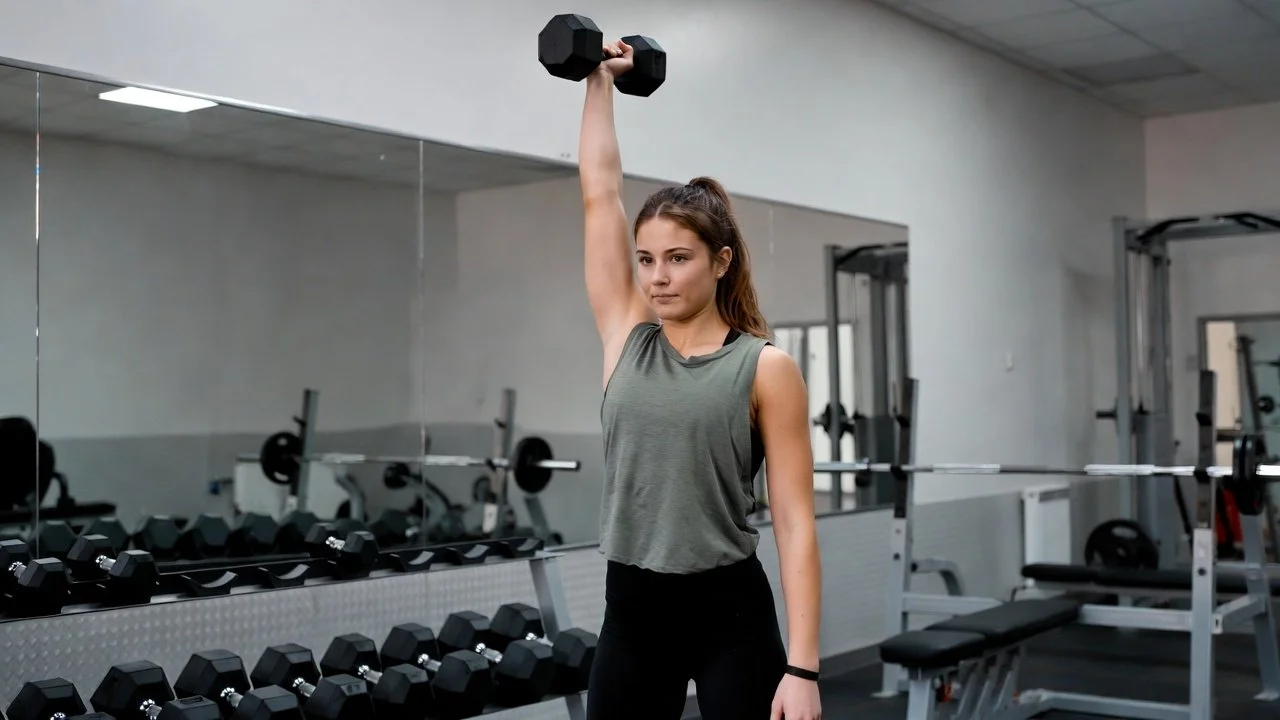
Weight lifting done correctly should decrease your injury risk as a basketball player. It should not reinforce compensation patterns that lead to injuries.
Basketball Weight Training for Recreational Players
Recreational basketball players often have different goals than competitive athletes.
Most aren’t asking: “How do I jump higher?”
They’re asking:
“How can I keep playing as long as possible?”
“How do I reduce my chances of injury?”
“How do I feel better during and after games?”
For recreational players, a basketball weight training program should emphasize:
Joint health
Tissue capacity (muscles, tendons, ligaments)
Movement efficiency
Recovery and sustainability
These athletes should work to become “good movers” and maintain a good foundation of general mobility and strength while not worrying too much about setting personal records in the weight room.
At this stage, longevity is performance.
Should Male and Female Basketball Weight Training Programs Differ?
Yes — and not because one group is weaker or less capable.
Differences in:
Anatomy
Hormones
Joint structure
Common injury differences
mean that a well-designed basketball weight training program for female basketball players should spend significant time on:
Hip and knee mechanics
Landing and deceleration strategies (especially when fatigued)
Strength, balance, and joint control
Tissue capacity and movement repeatability
Core and hip stability
Ignoring these differences is one reason injury rates remain high, especially in female basketball players.
A Hard Truth: Some Basketball Weight Training Programs Increase Injury Risk
Many popular programs:
Chase maximum muscle activation instead of movement quality
Use more “advanced lifts” without proper form and completing prerequisite exercises
Ignore compensation strategies and actually reinforce them
Skip mobility and recovery work
Borrow training styles from other sports without considering basketball’s demands
In adolescent athletes, this can still lead to muscle gain and strength and power improvements - but that doesn’t mean that it’s an optimal program and those programs often lead to more breakdowns, tightness and aches, and less availability.
Your basketball weight training program should make you:
More resilient
More efficient
Less likely to get injured
Not the opposite.
Final Thoughts
At the end of the day, the best basketball weight training program is the one that:
Matches your age and goals
Builds a strong movement foundation
Develops strength and power intelligently
Prioritizes health, durability, and availability
Because your muscle size and vertical jump height doesn’t matter if you can’t stay on the court.
If your training is leaving you stiff, achy, or constantly dealing with injuries, that’s not bad luck — it’s feedback.
If you want help building habits to help you recover faster and feel better as you work to become stronger and more powerful, I put together a free guide that breaks this down in a simple, practical way.
👉 Download the free guide:
5 Simple Habits Every Basketball Player Should Build to Stay Injury-Free
It’s designed to help you:
Move better
Reduce injury risk
Stay available
To compliment your basketball strength and conditioning or weight training program!