Sugar-Free Pre-Workout Supplements: Are They Actually Better for Athletes?
Many athletes — and especially parents of youth athletes — have started asking whether sugar free pre workout supplements are healthier or safer than traditional pre-workouts.
The short answer?
It depends. I would even say “probably.”
Sugar-free pre-workouts are more likely to be cleaner, less inflammatory, and easier on the gut… but only if the ingredients are truly high-quality. Just because something is “sugar free” doesn’t automatically mean it’s healthy.
On the flip side, sugar isn’t the villain either. Athletes need carbohydrates — they fuel high-intensity activity, refill glycogen stores, and support real performance.
The key is understanding:
What type of carbs you’re getting
Whether you actually need carbs at that moment
How certain sugars affect energy, focus, and recovery
Let’s break it down in a way athletes, parents, and health-conscious adults can actually use.
Why Sugar Is Tricky in Pre-Workouts
Carbs are not the enemy — they are one of the most important fuel sources for basketball players, sprinters, lifters, and anyone doing high-output movement.
But not all carbs behave the same way.
Many pre-workouts use:
Sucralose
Maltodextrin
Artificial sweeteners
Low-quality sugars
These can:
Cause GI distress during training
Spike blood glucose quickly
Alter gut microbiome
Increase inflammation
Lead to an energy crash an hour later
Leave athletes sleepy in class or foggy at work
For a high school athlete sitting in chemistry class after weights… that’s not ideal.
For a rec leaguers or adults heading into a full workday after their training… also not ideal.
And here’s the big one most people don’t think about:
Big sugar spikes → poor focus + Potential poor movement quality + Future sugar crash
Basketball, especially, requires:
Precision
Decision-making
Reaction time
Coordination
Energy crashes are the opposite of what we want.
When Sugar Is Helpful (and Healthy)
During:
Tournaments
Long practices
High-intensity conditioning
Multi-hour training blocks
Multiple training sessions in a day
Carbs can be awesome — especially simple carbs that absorb quickly.
But the difference is:
Timing
Dose
Context
Source quality
A clean carbohydrate source (like fruit, high-quality electrolyte blends, or easily digestible glucose-based fuels) is totally different from the artificial sweeteners or cheap sugars often dumped into preworkouts.
Preworkouts don’t have to be sugar free — but they should avoid low quality sugar.
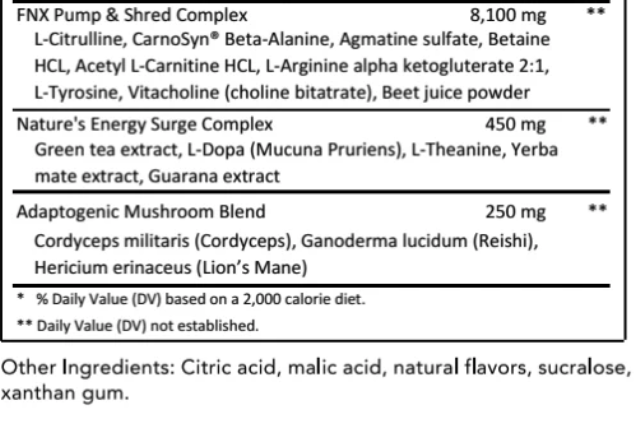
This pre-workout label includes three proprietary blends and sucralose — a good example of why ingredient transparency and clean formulas matter for athletes.
Why Many Athletes Choose Sugar-Free Pre-Workout Supplements
Athletes often choose sugar free pre workout supplements because they want:
Cleaner ingredients
No GI distress
No afternoon crash
No blood sugar roller coaster
Fewer inflammatory additives
Less “junk” mixed with their performance products
This is especially true for:
Youth athletes (smaller body mass → bigger impact)
Adults who train before work
Adults who train during a lunch break
Athletes who already hit carb goals through whole foods
This doesn’t mean that you can’t consume sugar or carbs before training. But you may want to find other sources of carbs and not the ones found in your preworkout.
If you’ve already eaten breakfast, a snack, or carbs throughout the day…
you may not want extra sugar in a pre-workout at all.
This is where a natural pre workout powder or non stim pre workout formula can shine — it supports performance without overstimulating the nervous system or spiking glucose unnecessarily.
But “Sugar-Free” Isn’t Automatically Clean
Some sugar-free options replace sugar with:
Sucralose
Acesulfame potassium
Artificial flavors
Cheap fillers
Which can:
Alter gut bacteria
Cause bloating or gas
Trigger headaches in some individuals
Increase cravings later
Confuse the body’s normal glucose signaling
Just because something is sugar-free does not mean it’s automatically a healthy product. The FDA allows many other sugar substitutes that are likely worse for our overall health than pure sugar.
This is why ingredient quality matters more than the sugar label.
What a Clean Pre-Workout Should Actually Look Like
A clean pre-workout (sugar-free or not) should check these boxes:
1. Transparent Label
No proprietary blends.
Every ingredient and dose listed clearly. Third party testing through reputable sources helps make this possible.
2. No Artificial Sweeteners That Cause GI Issues
Avoid sucralose, dyes, and heavy artificial flavors.
3. Carbs Only If You Need Them
And when included, they should be clean, digestible, and intentionally chosen.
4. Supportive of Energy — Not a Quick Spike
Steady energy → better performance and focus.
5. Nervous-System Friendly
No unnecessary stimulants.
No 400mg caffeine bombs.
Better blood flow, focus, and oxygenation instead.
This is where options like caffeine free preworkout, non caffeine pre workout, or non stim pre workout formulas become incredibly valuable for long-term performance and recovery.
When You Might Not Want Sugar in Your Pre-Workout
This includes sugar or sugar alternatives:
You train early and want smooth energy without a crash
You’ve already eaten enough carbs to fuel the workout
You have GI sensitivity (sugar alternatives are typically worse on the GI system than sugar itself is)
You’re a teen managing school + sports + sleep
You’re an adult heading to work post-training
You want more stable blood glucose
You’re aiming for inflammation control
You prefer cleaner, natural ingredients
And for some athletes, sugar before training actually reduces focus because of that spike → crash cycle.
Build Real Energy the Clean Way — Without Sugar Spikes or Stimulant Crashes
If you want your athlete (or yourself) to build sustainable habits to perform at a high level, start with the foundations.
Download my free guide: “5 Simple Habits Every Basketball Player Should Build to Stay Injury-Free.”
It’s the blueprint for better preparation, better recovery, and sustainable performance.
Final Thoughts: Sugar-Free Done Right
Again, sugar is not the enemy. Carbs are not the enemy. They are useful for sport and for performance and the dose, timing, context, and source matters.
But for those focused on their long term health and overall well-being. When it’s done in the right context:
Sugar-free can be cleaner.
Sugar-free can reduce inflammation.
Sugar-free can support stable energy and better focus.
But this only happens if:
The ingredients are clean
The formula is transparent
The goal is long-term performance, not a 20-minute buzz
Your fuel should elevate your performance — not distract from it, crash your energy, or overload your gut.
And for youth athletes especially, quality and timing matter more than hype.
If you want the benefits of preworkout without the sugary crash, here’s what we recommend.