Is a Sports Drink for Hydration Actually Necessary?
When many parents think about hydration for their kids (especially when it comes to athletics), they think about one thing:
Sports drinks.
Gatorade. Powerade. Bright colors. Big coolers on the sideline.
But is a sports drink for hydration actually necessary? Or are there better options depending on the situation?
Let’s break this down clearly.
What Hydration Actually Means
Hydration is not just “drinking fluids.”
True hydration involves:
Maintaining total body water balance
Supporting proper fluid balance inside and outside the cell (muscle cells, tendon cells, nerve cells, and more)
Electrolytes like sodium, potassium, magnesium, and chloride help regulate where water goes in the body. Sodium in particular helps retain fluid in the bloodstream and prevents excessive dilution.
So hydration is really:
Fluid intake + electrolyte balance + proper distribution.
Water alone sometimes accomplishes that. Sometimes it doesn’t.
What Traditional Sports Drinks Actually Provide
Traditional sports drinks like Gatorade and Powerade provide:
Fluids
Some electrolytes (mostly moderate to small amounts of sodium, small amounts of potassium)
A significant amount of sugar
Artificial flavors and dyes
For example, many standard sports drinks contain around 20–35 grams of sugar per bottle.
That’s not automatically bad — context matters.
But it does raise the question: Are they necessary for your child’s activity level?
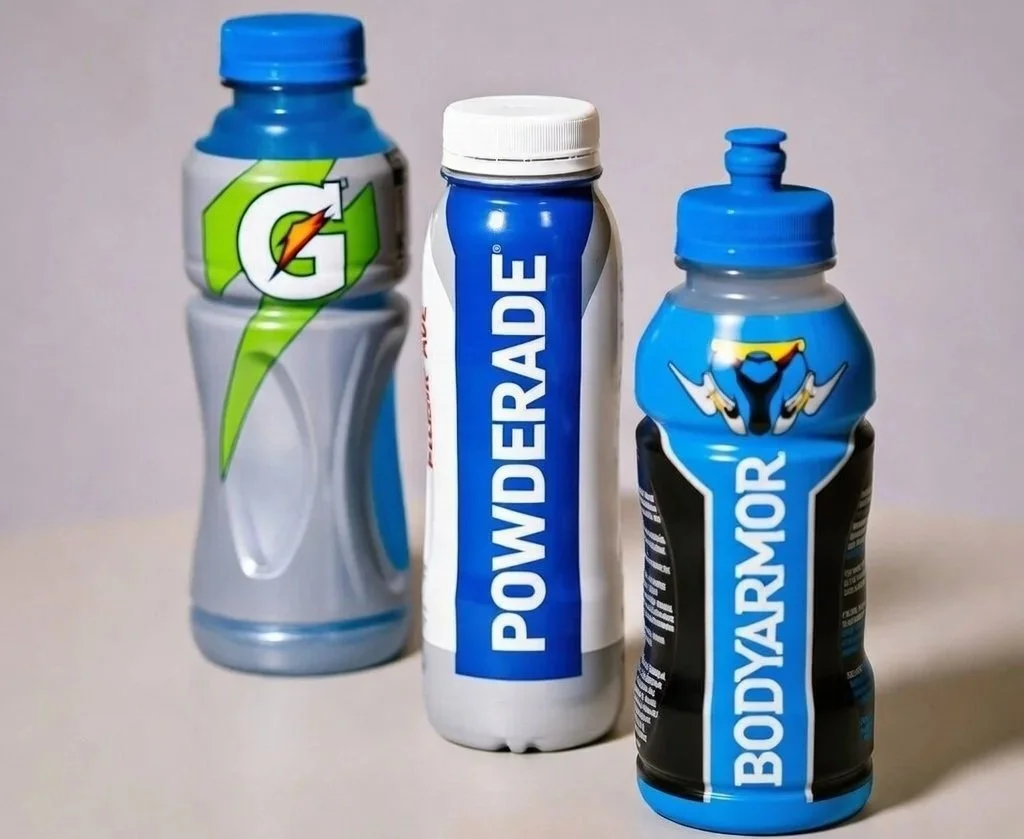
Traditional sports drinks provide fluids, sugar, and some electrolytes — but they aren’t always necessary for light or moderate activity.
When a Sports Drink for Hydration Makes Sense
There are situations where sports drinks can be helpful. Though this does not mean they are the optimal choice.
For example:
High-intensity activity lasting longer than 60–90 minutes
Tournament weekends with multiple games
Training sessions in hot weather
Multiple practices in a single day
In these cases, the sugar can help replenish glycogen (stored carbohydrate), and fluids help replace sweat losses.
However — and this is important — most traditional sports drinks still don’t provide large amounts of electrolytes. The sodium content is often moderate to low, the potassium is low, and magnesium is typically absent.
So even in extreme activity, they aren’t a perfect electrolyte solution.
When a Sports Drink Probably Isn’t Necessary
For:
Light practices
Short workouts
Recreational sports
PE class
Adults exercising 30–45 minutes
People trying to improve long-term health
A traditional sports drink for hydration is not the right fit here.
In those cases:
Water may be sufficient
Whole food meals provide electrolytes
Lower-sugar or sugar-free electrolyte options may make more sense
For adults especially — or parents thinking long term about inflammation, metabolic health, and overall nutrition — consuming artificial dyes and high sugar daily for routine workouts simply isn’t needed.
Hydration doesn’t require bright colors.
The Sugar Question: Friend or Foe?
Sugar in sports drinks is not inherently “bad.”
It can be useful when:
Energy demand is very high
Glycogen depletion is significant
Performance is the priority
But for many kids and adults, the activity level doesn’t justify daily high-sugar intake. And even if you have multiple athletic events in a day and need to replace glucose at a high rate, you can also do that through foods that are rich in carbohydrates that also contain nutrients, minerals, and antioxidants. You don’t have to depend on sugary sports drinks that are devoid of other nutrients to do that.
When sugar intake exceeds energy output, it becomes:
Extra calories
Unnecessary blood sugar spikes
A habit that isn’t needed for most training environments
This is where context is everything.
Carbohydrates are overall a good thing. Sugar can be a good thing in the right circumstance. But it should prepare you for activity and refuel what you lost during previous strenuous activity - not just be a product that makes your sports drink taste good.
Smartly plan out your carbohydrates and try to use real foods to get nutrients and fiber (when you have time to digest it before competition) that sports drinks cannot offer.
A Smarter Way to Think About Hydration
Instead of asking: “Should my child drink a sports drink?”
A better question is: “What does this activity actually demand?”
Hydration strategy should match:
Sweat rate
Duration
Intensity
Heat exposure
Overall health goals
Sometimes that’s water.
Sometimes that’s water + electrolytes.
Sometimes that’s fluids + electrolytes + carbohydrates.
The key is matching the tool and the quantity of the tool to the demand.
Better Options Than Traditional Sports Drinks
If you’re looking for alternatives, consider:
Water for short, low-intensity activity
Lower-sugar electrolyte drink mixes
Sugar-free electrolyte options
Homemade electrolyte drinks
Balanced meals before and after activity
Hydration should support performance — not undermine long-term health.
We recommend this FoundationFuel Active Electrolyte Powder as the best way to actually replace what’s lost from sweat while staying natural and sugar free.
Want to Help Your Athlete Stay Healthy Year-Round?
Hydration is just one piece of the puzzle.
If you’re a parent who wants a simple framework for helping your athlete reduce injury risk and build a stronger foundation, download our free guide:
5 Simple Habits Every Athlete Should Build to Stay Injury-Free
It breaks down the core daily habits that support performance, recovery, and long-term health.
👉 Grab your free guide by filling out the form below.
Final Thoughts for Parents
A sports drink for hydration is not automatically good or bad. It’s a tool.
For extreme activity, it can be helpful - though there are more ideal choices.
For most everyday training and general health? It’s often unnecessary — and there are better options available.
Understanding the difference empowers you to make smarter choices for your child.